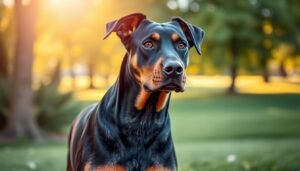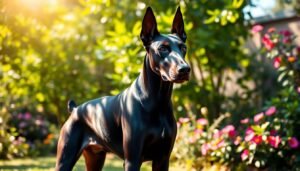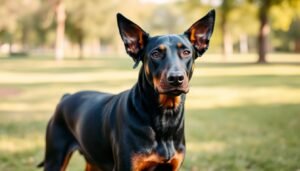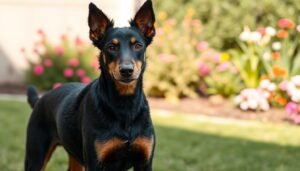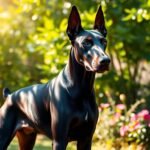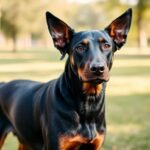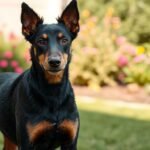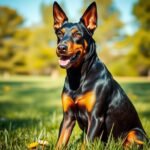

As a Doberman Pinscher owner, choosing whether to crop your dog’s ears or keep them natural is a big decision. Ear cropping is a surgery that many debate. The American Veterinary Medical Association (AVMA) says it’s done for looks or show standards, not health.
Deciding to crop or not involves many factors. You must think about your dog’s health, comfort, and how you want them to look. The American Kennel Club (AKC) believes ear cropping is key to some breeds’ looks. For more on ear cropping, check out PetPlace for detailed info.
Key Takeaways
- Ear cropping is a personal choice influenced by breed standards, aesthetics, and personal preference.
- The procedure involves surgically removing a portion of the dog’s ear, typically performed on puppies.
- Aftercare is crucial to prevent infection and ensure the ears stand upright.
- The American Veterinary Medical Association opposes ear cropping for non-therapeutic reasons.
- Some countries have banned ear cropping, while in the U.S., it remains a controversial practice.
Understanding Doberman Pinscher Ears
The ears of a Doberman Pinscher are more than just looks. They are key to the dog’s health and appearance. With their sleek lines and athletic build, the Doberman’s ears are a defining feature.
Overview of Doberman Ear Types
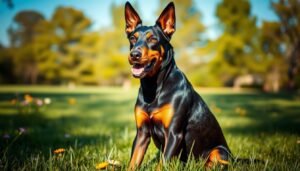
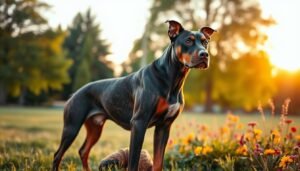
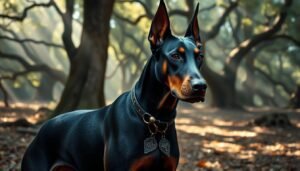
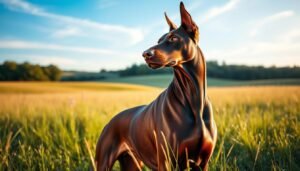
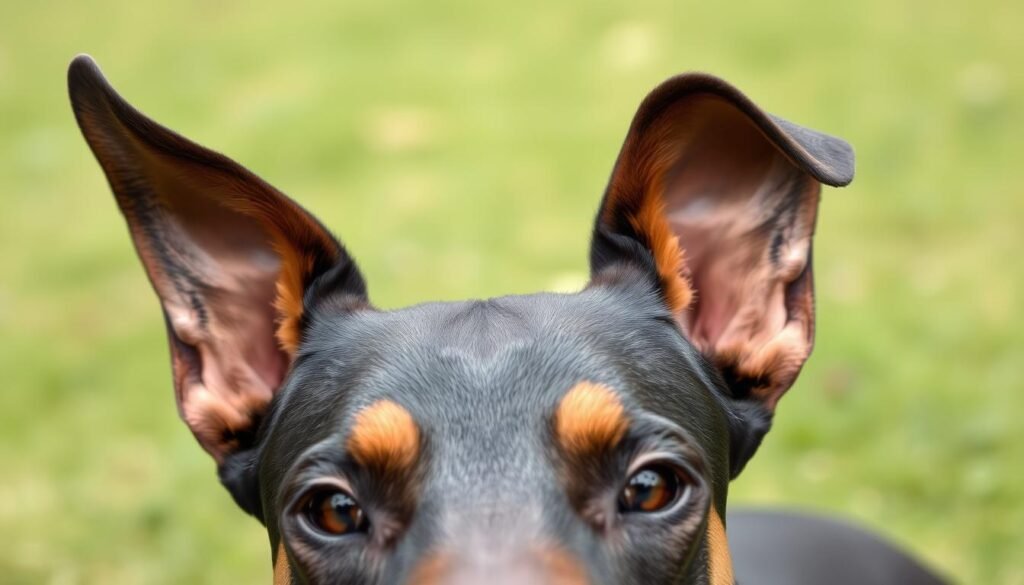
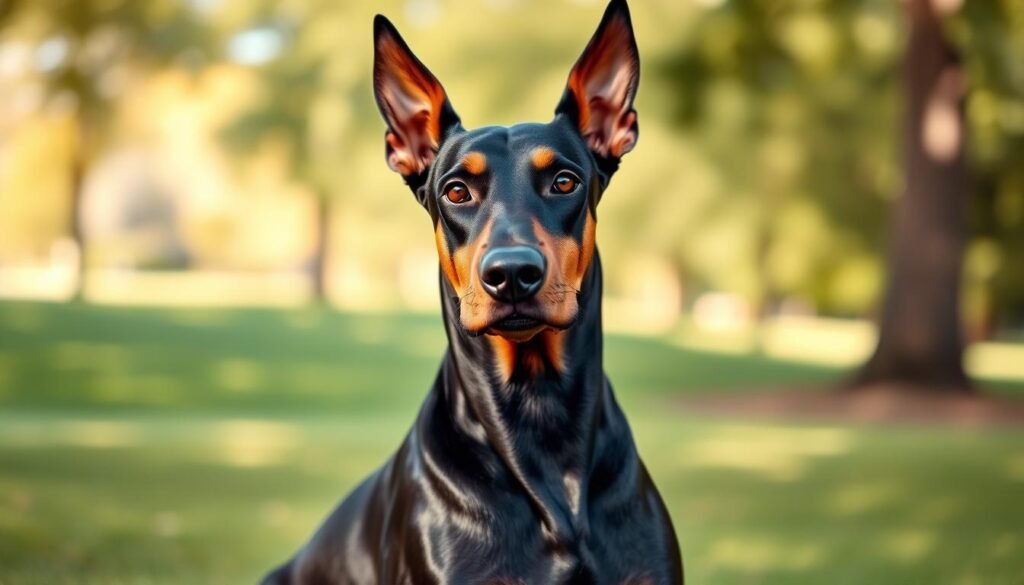
Doberman Pinschers can have either cropped or natural ears. Cropped ears are surgically altered, usually done when the dog is a puppy. This gives them a distinctive alert look.
Natural ears are not altered and can vary in shape and size. They need regular care to avoid infections. Knowing the difference between these types is important for owners.
Importance of Ear Shape
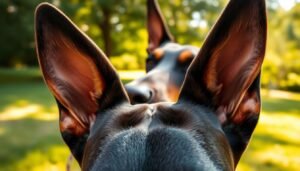
The shape of a Doberman’s ears affects their look and health. The ears influence the dog’s expression and how alert or friendly they seem. They also affect hearing and the risk of ear infections.
- Erect and cropped ears make the dog look more alert.
- Natural ears may need more care and can vary in how they sit.
Anatomy of Dog Ears
Knowing about dog ear anatomy is key to understanding the differences. The ear is made up of the outer, middle, and inner parts, each with its role and risks.
The outer ear catches sound, while the middle ear sends it to the inner ear. There, it’s turned into signals for the brain. Both cropped and natural ears have their health needs.
Understanding ear anatomy and the types of ears helps owners care for their Doberman’s ears and overall health.
The Trend of Cropping
For decades, the debate on ear cropping in Doberman Pinschers has been ongoing. It goes back to ancient times. Dog owners and breeders have different views on the practice.
Ear cropping is not new; it has a long history. It was used when dogs were used for guarding and fighting. The goal was to prevent injuries or make them look more intimidating.
Historical Background
The history of ear cropping is complex. It was first done for practical reasons, like preventing ear injuries in hunting or guarding dogs. Later, it became more about looks.
Cultural Significance
The meaning of ear cropping varies by culture. In some places, it shows strength or aggression. In others, it’s just a breed trait. The Doberman Pinscher is often linked with cropped ears, making it a breed hallmark.
Reasons for Cropping Ears
Today, people crop a Doberman Pinscher’s ears for many reasons. Some do it for looks, to meet breed standards, or because of personal preference. Others believe it helps with ear infections.
It’s important to understand the history, culture, and practical reasons behind ear cropping. This knowledge helps in deciding if a Doberman Pinscher’s ears should be cropped. We’ll look at the pros and cons of cropped ears next.
Advantages of Cropped Ears
Cropped ears in Doberman Pinschers have many benefits, from looks to health. People who choose this should know why it’s popular.
Enhanced Appearance
One big reason for ear cropping is to improve looks. It makes the dog seem more alert and fierce, like a guard dog. Cropped ears change the dog’s look, making it fit traditional breed standards better.
Potential Health Benefits
Some say ear cropping helps avoid ear infections. But, keeping ears clean is key, whether they’re cropped or natural. Here’s a table comparing health benefits:
| Ear Type | Health Benefits | Maintenance Needs |
|---|---|---|
| Cropped Ears | Potential reduction in ear infections | Regular cleaning required |
| Natural Ears | Preservation of natural ear function | Frequent inspection and cleaning necessary |
Improved Reviews and Perceptions
Many owners say cropped ears make their Doberman Pinschers seem more intimidating. This is good for guard dog roles. But, how people see a dog can vary a lot.
In summary, cropped ears have benefits, but owners should think about the downsides too. They should decide what’s best for their dog and their own wishes.
Disadvantages of Cropped Ears
Choosing to crop a Doberman Pinscher’s ears comes with big downsides, like a lot of pain and health risks. Even though some people like the look, it’s key to think about the bad sides of this surgery.
Pain and Recovery Time
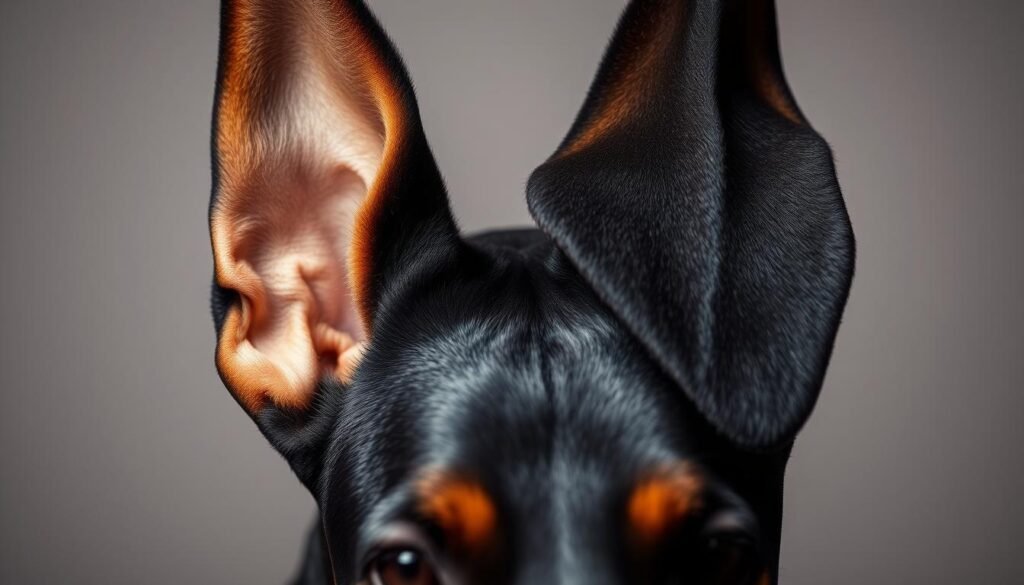
Ear cropping is a surgery that cuts or removes part of the dog’s ears. It’s done under anesthesia, but the dog still feels pain after. The healing takes a long time, needing close watch and care to avoid problems.
Pain management is very important after surgery. Vets give pain meds to help, but how well they work can vary. Some dogs might feel more pain than others.
Risks of Surgical Complications
Ear cropping, like any surgery, has risks of problems. These can be infections, bleeding, or serious reactions to anesthesia. The vet’s skill can help lower these risks. Still, owners should know about these risks and talk to their vet about them.
| Surgical Complication | Description | Prevention/ Management |
|---|---|---|
| Infection | Bacterial infection at the surgical site | Antibiotics, proper wound care |
| Bleeding | Excessive bleeding during or after surgery | Monitoring, cauterization |
| Anesthesia Reaction | Adverse reaction to anesthesia | Careful selection of anesthesia, monitoring |
Ethical Considerations
The ethics of ear cropping are a growing debate. Many say it’s wrong to do it just for looks, because of the pain and risks. As views on animal welfare change, so does the view on ear cropping.
Ethical considerations also mean some places are banning or limiting ear cropping. Owners should think about the legal and moral sides of their choice.
In summary, while some might support ear cropping, it’s vital for potential owners to know the downsides. Understanding the pain, risks, and ethics can help them make a choice that fits their values and their dog’s needs.
Natural Ears: An Overview
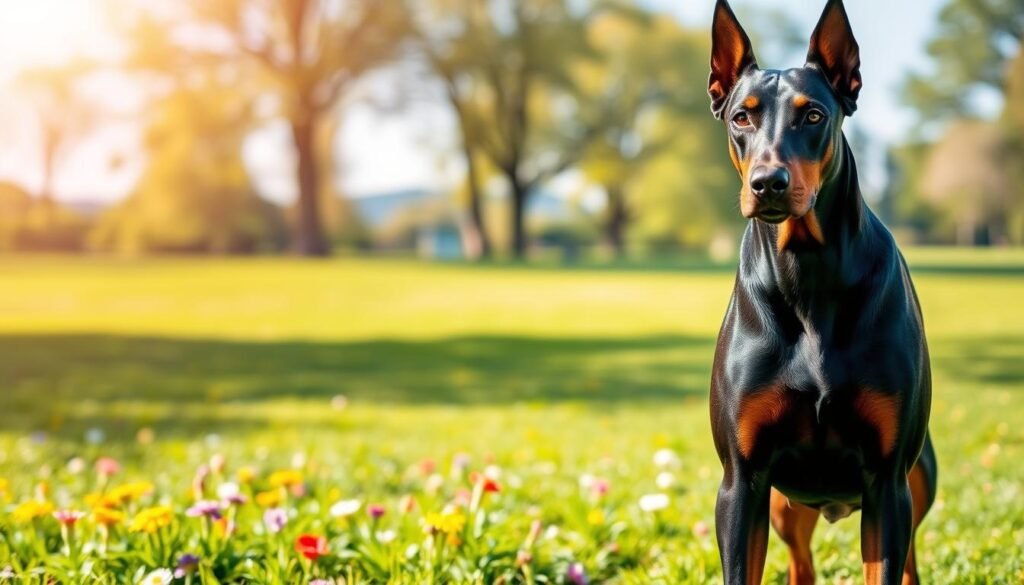
Knowing about natural ears is key for Doberman Pinscher owners. These ears are a breed hallmark and need special care.
What Are Natural Ears?
Natural ears are those of a Doberman Pinscher that haven’t been cut or altered. They keep their natural shape and size, which can differ from dog to dog.
Popular Perceptions of Natural Ears
Views on natural ears have changed. Some see them as less intimidating or less typical of the breed. Yet, many value their unique look and natural charm.
Today, many owners and breeders see the worth of natural ears. They value them for their looks and the dog’s comfort and health.
Differences in Care for Natural Ears
Looking after natural ears means regular cleaning and checks to avoid infections. Their anatomy makes them more likely to get wax and hold moisture, so they need careful care.
| Care Aspect | Description | Frequency |
|---|---|---|
| Cleaning | Gently wipe the outer ear with a cotton ball and clean the inner ear with a dog ear cleaner. | Weekly |
| Inspection | Check for signs of redness, discharge, or odor. | Daily |
| Drying | Dry the ears thoroughly after bathing or swimming. | As needed |
By following the right care, owners can ensure their Doberman Pinschers with natural ears stay healthy and happy.
Advantages of Natural Ears
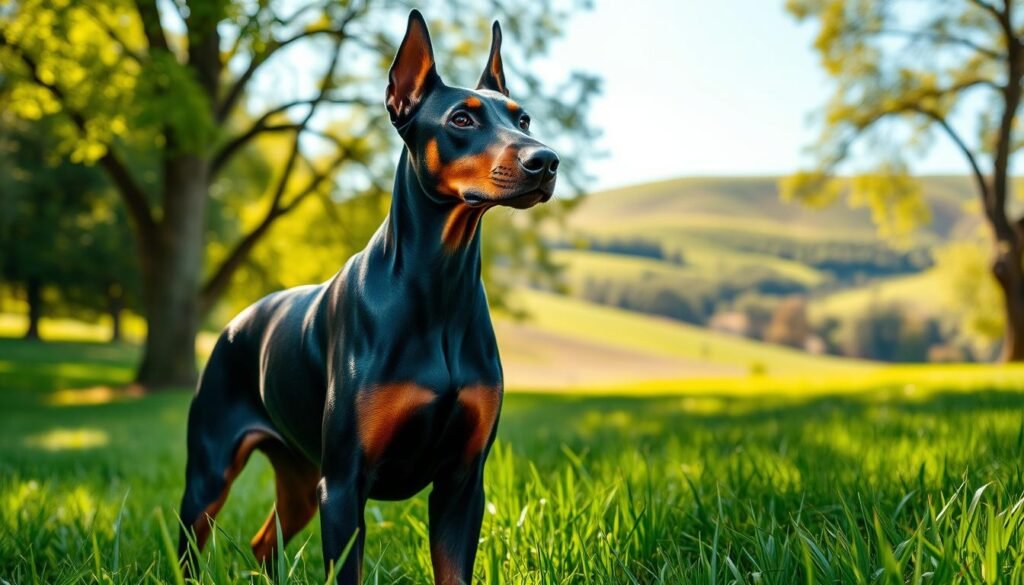
Leaving your Doberman Pinscher’s ears natural has many benefits. It makes them more comfortable. This is a big plus for their well-being.
Comfort for the Dog
Not cropping their ears means no surgery pain for Doberman Pinschers. They don’t have to deal with recovery time or discomfort. For more on ear cropping, check Doberman Planet.
Distinctive Look
Natural ears make your Doberman Pinscher look unique and distinctive. Each dog’s ear shape and size is different. This makes them stand out and adds to their individuality.
Lesser Maintenance required
Natural ears also mean less care needed. Owners don’t have to worry about a surgical site. This makes grooming easier. Regular cleaning is still needed, but it’s less work overall.
In summary, natural ears offer many benefits for Doberman Pinschers. They improve comfort, add to their unique look, and require less care. These advantages make life better for the dog and easier for the owner.
Potential Disadvantages of Natural Ears
Natural ears are a stunning feature of Doberman Pinschers. Yet, they come with challenges. It’s important for owners to know these issues to care for their pets well.
Health Concerns in Specific Breeds
Doberman Pinschers with natural ears might face health problems like ear infections. Moisture can get trapped, creating a perfect spot for bacteria and fungi. Keeping the ears clean and checking them often is key to avoiding these issues.
Common health concerns include:
- Ear infections due to moisture accumulation
- Wax buildup and associated complications
- Increased risk of ear trauma
For more detailed information on the health implications of cropped versus natural ears, you can visit this resource.
Different Training Dynamics
Some think cropped ears make a dog seem scarier, which might affect training. But, a dog’s behavior is really shaped by training and socialization, not ear type.
Training considerations:
- The perceived intimidation factor may vary between trainers and situations.
- Effective training is more about consistency and positive reinforcement.
- Ear type should not be a primary consideration in training approaches.
Perception in Dog Shows
In dog shows, the preference for cropped or natural ears can change a lot. It depends on the breed standard and the judges’ likes. For Doberman Pinschers, both types are seen, but knowing the show’s rules is key.
Key points to consider in dog shows:
- Understanding the breed standard for ear type
- Judges’ preferences can influence outcomes
- Preparation and grooming are essential regardless of ear type
Factors Influencing Owners’ Decisions
Doberman Pinscher owners face a big decision about their dog’s ear type. This choice is complex and depends on many factors. It’s important to consider what’s best for the dog and the owner.
Personal Preferences
Personal taste is a big factor. Some owners like the look of cropped ears, seeing it as part of the breed’s history. Others prefer natural ears, believing it’s better for the dog’s health and looks.
What owners think looks good matters a lot. They think about how their dog will look and act. They also consider how their dog will interact with others.
Professional Opinions
Vets and breeders offer important advice. Vets talk about the health aspects of ear cropping. Breeders share their experience and knowledge of breed standards.
Talking to experts can help owners decide. For example, a vet might say ear cropping can prevent some infections. But, it’s a surgery with its own risks, like pain and complications.
Breed Standards and Registries
Breed standards and registries also play a role. For Doberman Pinschers, some clubs have rules about ear cropping. Owners who want to show or register their dogs must follow these rules.
The American Kennel Club (AKC) has breed standards for Doberman Pinschers. These include the option for cropped ears. Owners need to know these rules if they want to show their dogs or stick to traditional looks.
In summary, choosing a Doberman Pinscher’s ear type involves many factors. Owners must consider personal, professional, and breed-related aspects. By thinking about these, owners can make a choice that’s best for their dog.
Grooming Tips for Both Ear Types
Doberman Pinscher owners often wonder how to care for their dog’s ears. This is true for both cropped and natural ears. Keeping your pet’s ears clean is key to their health and hygiene.
Basic Ear Care
Basic ear care is the same for all ears. You should check your Doberman Pinscher’s ears weekly. Look for dirt, wax, or signs of infection.
Regular inspection is important. It helps catch problems early. For both types of ears, keep them clean and dry, after baths or swimming.
Cleaning Techniques
Cleaning your Doberman Pinscher’s ears needs care and the right methods. You’ll need a dog ear cleaning solution and cotton balls or soft cloths.
- Gently lift the ear flap and pour a small amount of the cleaning solution into the ear canal.
- Massage the base of the ear to help the solution spread.
- Wipe away any debris or excess solution with a cotton ball or soft cloth.
Avoid using cotton swabs. They can push wax deeper and cause damage.
Signs of Ear Problems
Knowing the signs of ear problems is vital. Look for excessive scratching or shaking, redness, swelling, or a foul odor. These are signs of trouble.
If you see these signs, see a vet. Early treatment can stop small problems from getting worse.
By following these grooming tips, you can keep your Doberman Pinscher’s ears healthy and clean.
Understanding Your Dog’s Needs
As a Doberman Pinscher owner, it’s key to know what your dog needs to be happy. Every dog is different, with its own special traits and needs.
Recognizing Individual Preferences
It’s important to know what your Doberman Pinscher likes and dislikes. Some dogs are more sensitive, while others are super energetic. Watching how your dog acts and reacts helps you care for them better. For example, if they don’t like certain grooming, you should change how you do it.
Consulting with Veterinarians
Talking to vets is a big step in understanding your dog’s needs. Vets can give you great advice on how to keep your dog healthy. They can also help you decide about things like ear cropping. For more info, check out this forum discussion where owners share their experiences.
Balancing Aesthetics and Health
It’s hard to balance how your dog looks and their health. While looks matter, your dog’s health is more important. Think about how ear cropping might affect your dog’s life. Always choose what’s best for your dog’s health.
In short, knowing what your Doberman Pinscher needs means recognizing their likes, talking to experts, and making choices that put their health first.
Final Thoughts on Doberman Pinscher Ears
Looking into Doberman Pinscher ears shows us it’s a big choice. Owners must think about their dog’s happiness, their own likes, and what the breed looks like.
It’s key to make a choice that’s good for your dog. Knowing the good and bad of each ear type helps. The main goal is to keep your dog comfortable and healthy.
The Bond Over Appearance
The bond between a dog and its owner is more important than looks. While a Doberman’s ear type matters, it’s not everything. A strong, loving bond is what truly counts.
Celebrating Uniqueness
Every dog is special, and it’s not just about their ears. Celebrating what makes your Doberman unique can deepen your connection with them.
In final thoughts, choosing about Doberman Pinscher ears should focus on your dog’s happiness and your values. This leads to a stronger bond between you and your pet.