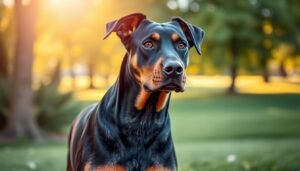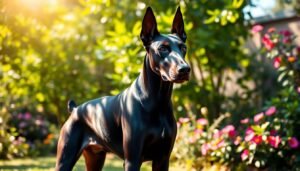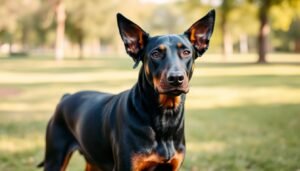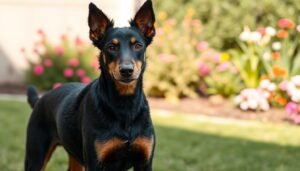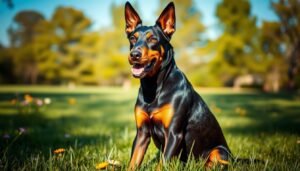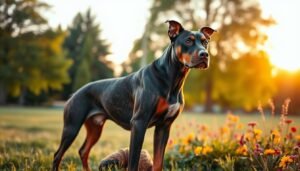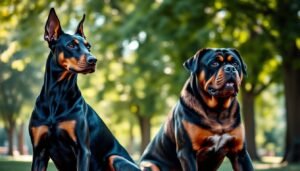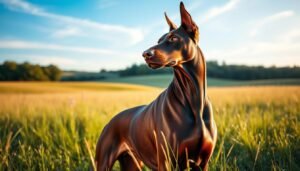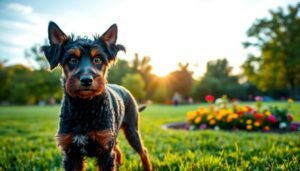

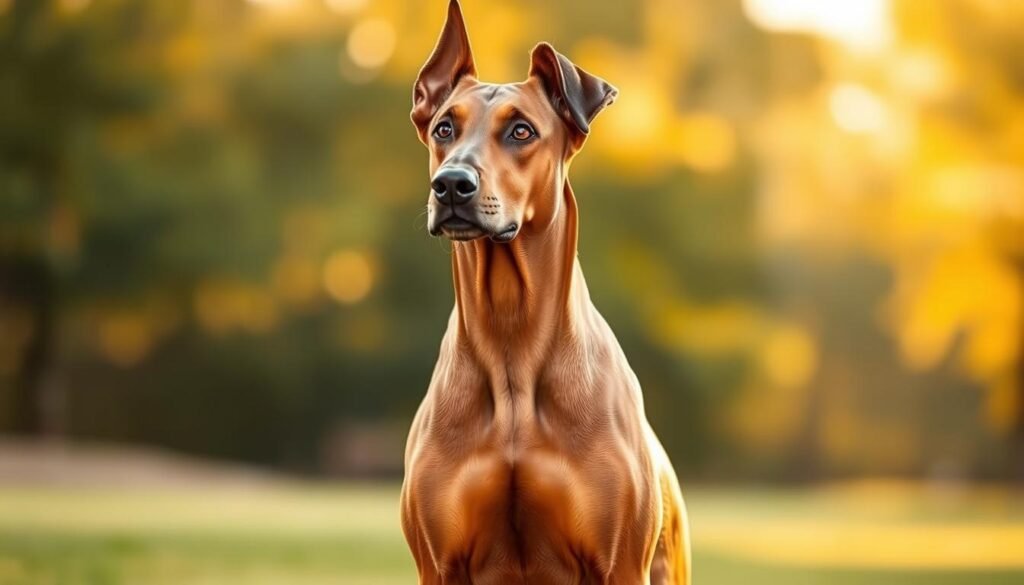
As a proud owner of a fawn Doberman, I can attest to the breed’s gentle giant persona and unwavering devotion. With their unique coat color and loyal nature, it’s no wonder why this breed stands out within the Doberman family.
The fawn Doberman is often misunderstood due to its muscular build and historical background as a guard dog. But, beneath its intimidating exterior lies a heart of gold. This makes it an ideal companion for families and individuals alike.
In this article, we’ll explore the fawn Doberman’s characteristics, temperament, and needs. We’ll help you understand why this breed is a beloved companion for many.
Key Takeaways
- Understanding the fawn Doberman’s unique characteristics and temperament.
- Exploring the breed’s needs and requirements.
- Discovering why the fawn Doberman makes a great companion.
- Learning about the importance of proper training and socialization.
- Gaining insights into the breed’s history and origins.
Introduction to the Fawn Doberman
The fawn Doberman has won the hearts of many dog lovers. Known for their smarts, athleticism, and loyalty, Dobermans have a long history. They were first bred in Germany in the late 19th century as guard and police dogs.
Overview of the Doberman Breed
Dobermans are famous for their intelligence and loyalty. They are easy to train, making them great friends for active people. Their agility lets them shine in dog sports and activities.
If you want to learn more about Doberman variations, check out Barklebee. They offer great insights.
Characteristics of Fawn Dobermans
Fawn Dobermans have warm, fawn-colored coats that can be light tan or darker. They share the same loyal and affectionate nature as other Dobermans. These dogs love people and need owners who can give them lots of care and attention.
They are friendly and outgoing, perfect for families who are ready to train and socialize them.
The Unique Coat Color of Fawn Dobermans
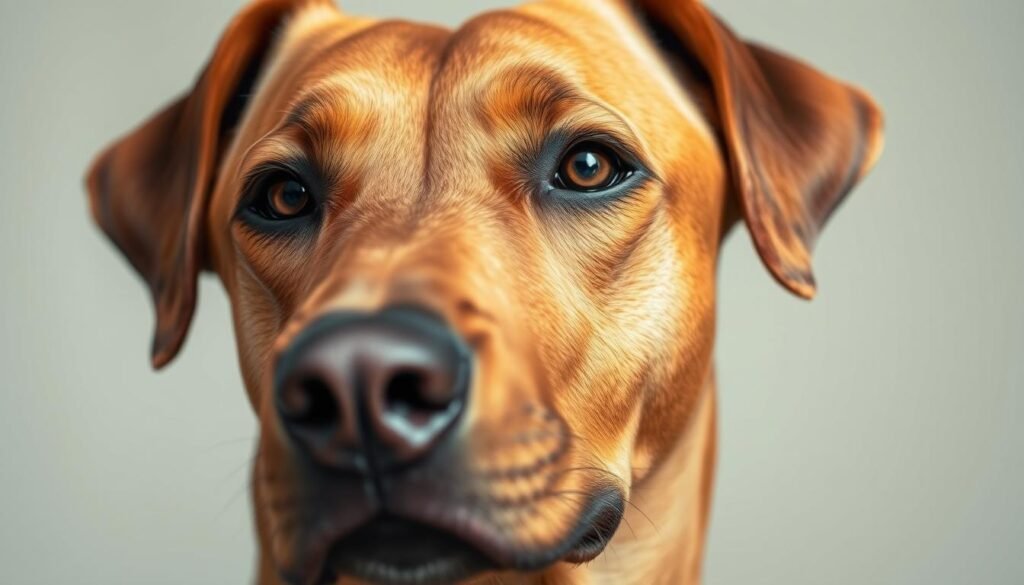
The genetics behind a fawn Doberman’s coat color are fascinating. They play a key role in defining the breed’s characteristics. The fawn coat comes from a specific genetic variation that lightens the black pigment, making it a light tan or cream color.
This coat color is not just pretty; it’s also a result of genetic factors. Understanding these genetics helps breeders and owners appreciate the uniqueness of fawn Dobermans.
What Makes a Fawn Coat?
A fawn coat in Dobermans is mainly due to a dilution of the black pigment. This is caused by a specific genetic variation. This variation affects how melanin is produced or distributed in the dog’s coat.
To understand this better, let’s look at the genetic factors that influence coat color in Dobermans. The table below summarizes the key genetic factors involved:
| Genetic Factor | Description | Effect on Coat Color |
|---|---|---|
| Melanin Production | Genes controlling the production of eumelanin (black and dark brown pigment) | Determines the intensity of the coat color |
| Dilution Genes | Genes that dilute the black pigment | Results in a fawn or light tan coat |
| Interaction of Genes | Combination of genes affecting melanin production and distribution | Produces the final coat color, including fawn |
Genetic Factors Behind the Color
The genetics of coat color in Dobermans involve multiple genes. The fawn color comes from a specific dilution gene. For more detailed information on Doberman coat colors, including fawn, you can visit this resource on Doberman coat colors.
Understanding the genetics behind the fawn coat helps in breeding and appreciating fawn Dobermans. The fawn coat shows the genetic diversity within the Doberman breed.
Temperament and Personality Traits
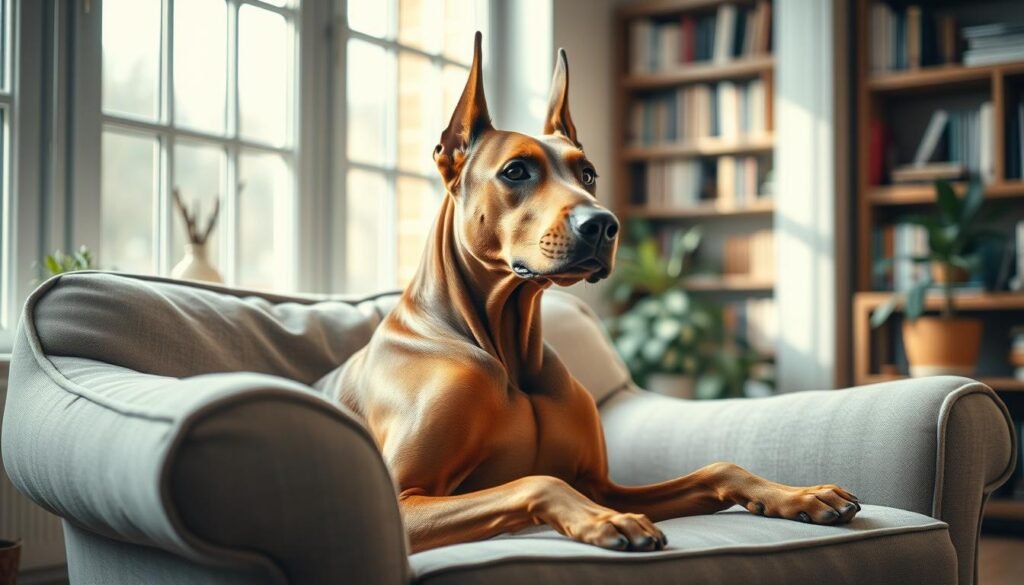
The Fawn Doberman’s temperament is a mix of loyalty and gentleness. This makes them a great fit for many families. Their loyal and affectionate nature, along with their protective instincts, shape their personality.
Friendly and Affectionate Nature
Fawn Dobermans are very friendly and loving. They bond strongly with their family and are often called “velcro dogs” because they love to stay close. Their friendly nature makes them wonderful companions, as they enjoy being around their owners.
They also love being social and benefit from early socialization. Training and exposure to different places help them feel confident and calm around new people and situations.
Protective Instincts
Fawn Dobermans are friendly but also have strong protective instincts. They watch over their family and will defend them when needed. This trait, combined with their loyalty, makes them great watchdogs.
It’s important to train them properly to balance their protective instincts. This way, they can be loving family pets and effective guardians at the same time.
| Trait | Description | Benefit |
|---|---|---|
| Loyalty | Faithful to their family | Provides a sense of security |
| Affectionate Nature | Forms strong bonds with family | Enhances family relationships |
| Protective Instincts | Defends family when necessary | Acts as a deterrent to potential threats |
In conclusion, Fawn Dobermans are a favorite among dog owners. Their unique mix of loyalty, affection, and protection, when cared for, makes them loving and loyal companions.
Health Considerations for Fawn Dobermans
Keeping a fawn Doberman healthy means knowing their special health needs. It’s important to take action early. Like all breeds, fawn Dobermans face certain health problems that can affect their life quality.
Common Health Issues
Fawn Dobermans may face several health issues, including:
- Cardiomyopathy: A heart muscle condition that could lead to heart failure.
- Hip Dysplasia: A genetic issue that can cause arthritis and mobility problems.
- Certain Cancers: Dobermans are at risk for specific cancers, making regular vet visits key.
Regular vet visits are crucial for catching and managing these conditions early.
Lifespan and Care
Fawn Dobermans typically live between 10 to 12 years. Their diet, exercise, and health checks greatly influence their longevity.
To ensure they live a long, healthy life, consider the following:
- Feed them a balanced diet that fits their nutritional needs.
- Make sure they get regular exercise to keep their body and mind healthy.
- Set up regular vet check-ups to watch their health and tackle any problems quickly.
By understanding and tackling the health needs of fawn Dobermans, owners can help them live happy, healthy lives.
Training a Fawn Doberman
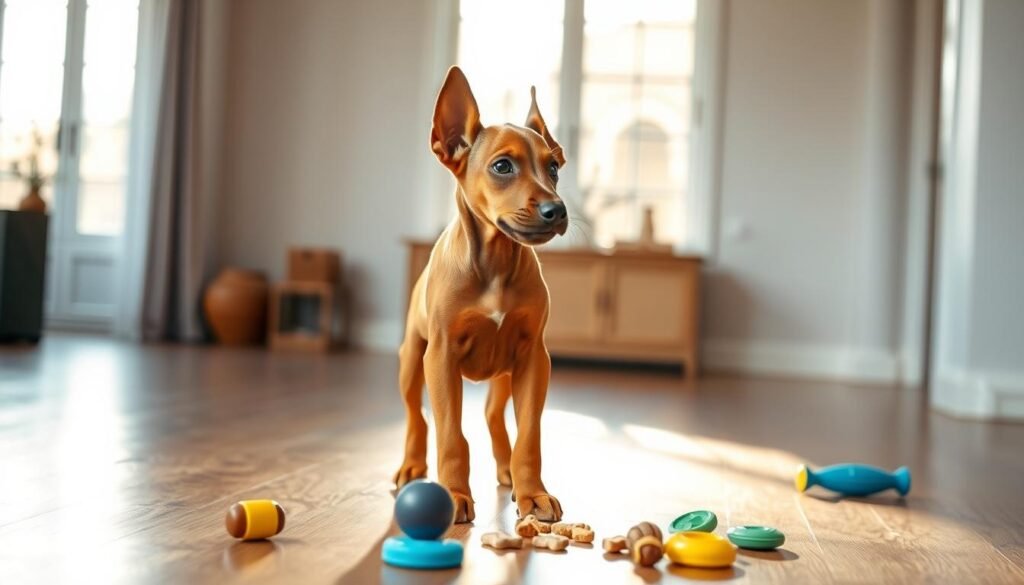
To make sure your Fawn Doberman grows up right, training is key. They are smart and do well with structured lessons and positive feedback.
Importance of Early Socialization
Early socialization is vital for doberman socialization. It means letting your Fawn Doberman meet new places, people, and animals. This helps them feel confident and calm in new settings. Start this early, around 8 weeks old.
Good socialization stops bad behaviors like fear and anxiety. By introducing them to new things in a positive way, they become better behaved and well-adjusted.
Recommended Training Techniques
For training fawn doberman, positive methods work best. This means rewarding good actions with treats, praise, and love, not scolding for bad ones.
- Use consistent commands and hand signals to avoid confusion.
- Keep training sessions short and engaging to maintain your dog’s interest.
- Be patient and persistent, as training is an ongoing process.
By mixing early socialization with positive training, your Fawn Doberman will be a loving and well-behaved friend.
Nutrition and Diet Requirements
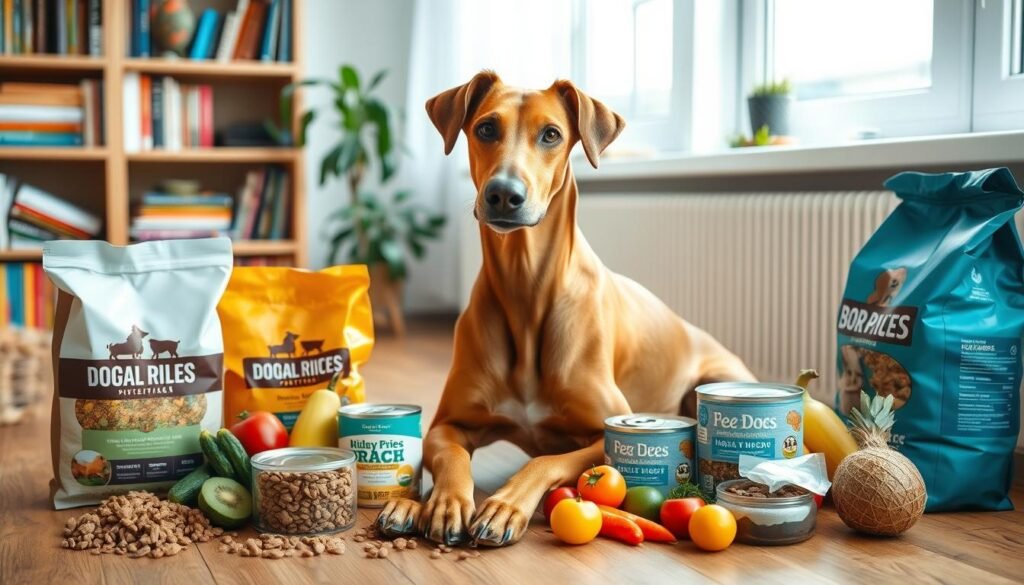
Fawn Dobermans have special dietary needs to stay healthy. A balanced diet is key for their well-being.
Essential Nutrients for Optimal Health
Fawn Dobermans need a diet full of proteins, fats, and complex carbs. High-quality protein sources like chicken, beef, or fish are crucial for their growth.
Healthy fats like omega-3 fatty acids are also important. They help with skin and coat health. Complex carbs, like whole grains, give them energy and support their digestive system.
- Protein: 25-30% of daily calories
- Fat: 15-20% of daily calories
- Complex Carbohydrates: 40-60% of daily calories
Best Dog Food Brands for Fawn Dobermans
Choosing the right dog food for your fawn Doberman is important. Look for brands with high-quality ingredients and formulas made for Dobermans. Some top brands include:
| Brand | Formula | Key Ingredients |
|---|---|---|
| Orijen | Adult Dog | Fresh chicken, fish, and eggs |
| Acana | Breed Specific | Local chicken, lamb, and fish |
| Blue Buffalo | Life Protection Formula | Deboned chicken, whole grains, and garden veggies |
These brands have formulas that meet the nutritional needs of fawn Dobermans at all life stages.
Exercise Needs of Fawn Dobermans
Exercise is key for Fawn Dobermans. It keeps them physically fit and mentally sharp. They need a mix of activities to stay healthy and happy.
Daily Exercise Routines
Fawn Dobermans need to stay active every day. Here are some fun ways to keep them moving:
- Daily Walks: They need at least 30 minutes of walking to stay fit.
- Playtime: Play games like fetch or tug-of-war to help them burn energy.
- Running or Agility Training: For the most energetic, try running or agility training sessions.
Mental Stimulation Activities
Mental challenges are just as important as physical ones. Here are some ways to keep your Fawn Doberman’s mind sharp:
- Puzzle Toys: Use puzzle toys filled with treats to test their problem-solving skills.
- Obedience Training: Regular training keeps their minds active and focused.
- Interactive Games: Play games like hide-and-seek or scent work to challenge their minds.
By mixing physical and mental activities, you can make sure your Fawn Doberman is happy and healthy.
Grooming Your Fawn Doberman
Fawn Dobermans have a short, sleek coat. It needs regular grooming to remove dead hair and spread skin oils. This keeps their coat healthy and lets you check for skin issues or health problems.
Grooming Tips and Best Practices
To groom your fawn Doberman well, start with regular brushing. Use a rubber grooming glove or a soft-bristle brush. This removes dead hair and spreads skin oils, making their coat healthy and shiny.
They also need occasional baths. Use a mild dog shampoo and conditioner made for short-coated breeds. Make sure to rinse well to avoid skin irritation.
Key Grooming Tasks:
- Regular brushing
- Occasional bathing
- Nail trimming
- Ear cleaning
For more info on hygiene products for your fawn Doberman, check our recommended products page.
Maintaining a Healthy Coat
Keeping your fawn Doberman’s coat healthy is more than grooming. Make sure they eat a balanced diet. Include omega-3 fatty acids to help their skin and coat stay healthy.
| Grooming Task | Frequency | Benefits |
|---|---|---|
| Brushing | Weekly | Removes dead hair, distributes skin oils |
| Bathing | Monthly | Keeps coat clean, reduces shedding |
| Nail Trimming | Every 6 weeks | Prevents overgrowth, reduces injury risk |
| Ear Cleaning | Every 2 weeks | Prevents infections, reduces wax buildup |
“Regular grooming is not just about keeping your dog looking good; it’s also about maintaining their overall health and catching any potential issues early.”
Finding a Fawn Doberman Puppy
Looking for a fawn Doberman puppy? Start by finding reputable breeders. They focus on health, temperament, and genetic diversity. A good breeder will show you health clearances and let you meet the puppy’s family.
Reputable Breeders and Adoption Options
Choosing a reputable breeder or adopting from a rescue is wise. Look for breeders who share the puppy’s ancestry and health test results. Adoption gives a loving home to a dog in need.
Puppy Characteristics
When picking a fawn Doberman puppy, check for health signs. Look for clear eyes, a clean coat, and lots of energy. A friendly puppy is key; they should be curious but not too aggressive or scared.
Ask about the parents’ temperaments and the puppy’s socialization. This ensures you get a well-adjusted friend.