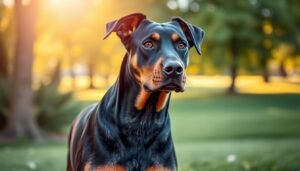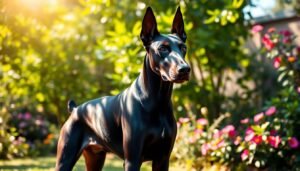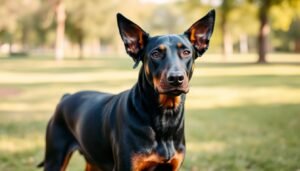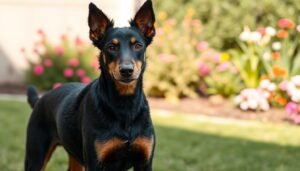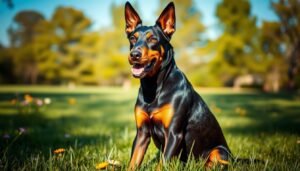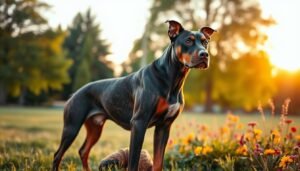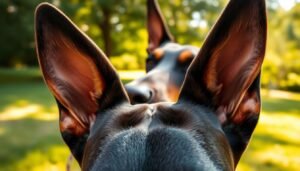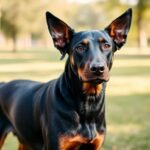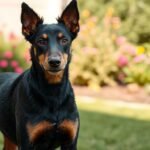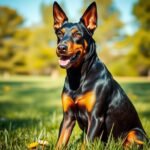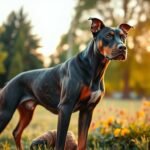


If you own a dog, you might have heard about ear cropping debates. The Doberman is often in the middle of this argument. Did you know ear cropping is a surgery that needs careful thought and care after?
In this guide, we’ll explore Doberman ear cropping. We’ll cover everything from making the decision to caring for your dog after. This guide is for both new and experienced Doberman owners. It aims to give you a clear understanding of what to expect.
Key Takeaways
- Understanding the ear cropping process and its implications
- Pre-operative care and preparation for your Doberman
- The surgical procedure and what to expect
- Post-operative care and aftercare tips
- Potential risks and complications associated with ear cropping
Understanding Cropping: The Basics of Doberman Ears
The tradition of cropping Doberman ears goes back decades. But what does it mean, and why do owners do it? Ear cropping is a surgery that removes part of a dog’s ears. For Dobermans, it’s often to get a unique look.
What is Ear Cropping?
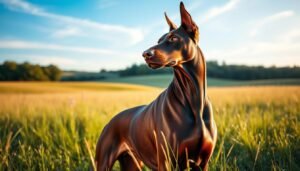
Ear cropping is a surgery for dogs, usually when they’re puppies. It cuts or removes part of the puppy’s ears for a certain shape. For Dobermans, it means cutting a lot off to make the ears pointy and erect.
It’s important to know that ear cropping is a permanent choice. It changes the dog’s look forever. Only a skilled vet should do it, as it needs to be done right to avoid problems.
Why Do People Crop Doberman Ears?
There are many reasons Doberman owners crop their ears. Some think it makes the dog look more fierce or alert. Others do it because it’s part of the Doberman’s history and breed standards.
For more on the good and bad of ear cropping, check out Doberman Planet’s guide on ear cropping pros and cons.
| Reasons for Ear Cropping | Description |
|---|---|
| Aesthetic Appeal | Enhances the dog’s appearance, giving it a distinctive look. |
| Breed Tradition | Aligns with historical breed standards for Dobermans. |
| Perceived Health Benefits | Some believe it reduces the risk of ear infections, though this is debated. |
The History of Doberman Ear Cropping
The history of the Doberman breed is quite interesting. Ear cropping has played a big role in its look and identity. To understand why ear cropping became common, we need to look at the Doberman’s origins.
Origins of the Doberman Breed
The Doberman Pinscher, or Doberman, was created in the late 19th century. Friedrich Louis Dobermann, a German tax collector and dog breeder, developed it. He mixed different dogs, like the Rottweiler, German Pinscher, and Weimaraner, to make a dog that was both fierce and loyal.
The main goal was to make a guard dog. Dobermans were meant to be tough, smart, and fast.
Traditional Practices: Why It Started
Ear cropping in Dobermans started as a way to prevent injuries and ear infections. But it soon became a way to make them look more aggressive and scary.
The practice was also shaped by the culture and society back then. In the late 19th and early 20th centuries, a dog’s look was tied to its purpose and how fierce it seemed. So, cropping a Doberman’s ears showed it was a guard dog.
Today, ear cropping is a big part of the Doberman breed standard. But, its need and ethics are still debated.
The Pros and Cons of Cropping Doberman Ears
Doberman ear cropping is a surgery with its good and bad sides. If you’re thinking of getting a Doberman, knowing these points is key.doberman-brown-colour
Advantages of Cropped Ears
Cropping a Doberman’s ears can look good to some. It makes the dog seem more fierce or alert. Some say it helps with hearing, but this isn’t proven.
- Aesthetically pleasing appearance for some owners
- Potential reduction in ear infections due to better airflow
- Conformance to traditional breed standards
“The Doberman Pinscher, with its cropped ears, presents a figure of noble elegance and athleticism.” –
Disadvantages and Risks
But, there are big downsides to ear cropping. It’s a surgery with risks like infection, bad reactions to anesthesia, and long healing times.
| Risks | Description |
|---|---|
| Infection | Bacterial or viral infections can occur post-surgery |
| Anesthesia Complications | Adverse reactions to the anesthesia used during surgery |
| Pain and Discomfort | The dog may experience pain during the healing process |
Also, many places ban ear cropping because of animal welfare. This is because of the risks it poses.
In short, deciding to crop a Doberman’s ears needs careful thought. Always talk to a vet to get the full picture.doberman-rottweiler-mix
The Ear Cropping Procedure

If you’re thinking about ear cropping for your Doberman, it’s key to know what it involves. Ear cropping is a surgery that cuts off part of a dog’s ears. Understanding this process helps you make a well-informed choice.
What to Expect During the Surgery
The surgery is usually done on Doberman puppies between 8 to 12 weeks old. It’s performed under general anesthesia to keep the puppy pain-free. Here’s what happens:
- The vet prepares the puppy with anesthesia and cleans the ears.
- The ears are shaped and the extra parts are cut off.
- The edges are stitched to help the ears heal and look right.
It’s important to have a skilled vet do the surgery to avoid problems. For more on choosing the right vet, check the RSPCA’s advice on ear cropping.
Post-Surgery Care and Recovery
After the surgery, your Doberman needs careful care to heal right. Here are some important steps:
- Monitoring: Watch your puppy closely for signs of infection or problems.
- Medication: Follow the vet’s advice on pain meds and antibiotics.
- Ear Care: Keep the ears clean and dry. Your vet will give you specific ear care tips.
Good care during recovery is crucial to avoid issues and ensure your Doberman’s ears heal well. Also, don’t forget to follow up with your vet as they advise to check on the healing.
Finding a Qualified Veterinarian
Choosing the right vet for your Doberman’s ear cropping is important. The vet’s skills can greatly affect the surgery’s success and safety.
Choosing the Right Professional for Ear Cropping
When looking for a vet for ear cropping, focus on their qualifications. Experience in ear cropping surgeries is key. A vet with a good track record can handle any issues that come up.
Consider these factors:
- Experience with Doberman ear cropping
- Qualifications and certifications
- Client reviews and testimonials
- The quality of the veterinary clinic and equipment
Asking for referrals from other Doberman owners or breeders can also help.
| Qualification | Description | Importance Level |
|---|---|---|
| Experience in Ear Cropping | Number of years and cases handled | High |
| Certifications | Board certifications or specialized training | High |
| Client Reviews | Feedback from previous clients | Medium |
| Clinic Facilities | Quality and cleanliness of the clinic | High |
Questions to Ask Your Veterinarian
After finding a vet, ask important questions. This ensures you’re making a good choice. Key questions include:
- What is your experience with ear cropping in Dobermans?
- Can you provide before-and-after photos of previous surgeries?
- What are the risks associated with the procedure, and how do you mitigate them?
- What is the post-surgery care and recovery process like?
- Are there any additional costs or services included in the procedure?
By asking these questions, you can find a vet who will give your Doberman the best care during ear cropping.
Laws and Regulations Surrounding Ear Cropping

Ear cropping laws differ across the United States. It’s important for Doberman owners to know the laws in their state. This knowledge is key to responsible pet care.european-doberman-vs-american-doberman
Legal Status of Ear Cropping in the U.S.
Ear cropping is a topic of debate. Dog owners, vets, and animal groups have different views. Some states have laws, while others don’t.
In some places, ear cropping is banned for animal welfare reasons. For example, Prince Edward Island has banned it. Some U.S. states also have laws about it.
State-Specific Legislation
Knowing your state’s laws on ear cropping is crucial. The table below shows the legal status in different states:
| State | Legal Status of Ear Cropping | Additional Notes |
|---|---|---|
| California | Prohibited | Except for therapeutic reasons |
| New York | Prohibited | For cosmetic purposes only |
| Texas | Permitted | No specific regulations |
| Florida | Permitted | Must be performed by a licensed veterinarian |
Laws on ear cropping vary widely. It’s vital to check your state’s laws. This ensures you’re making the best choices for your Doberman.
Caring for Your Doberman’s Ears
Caring for your Doberman’s ears is key to their grooming. It keeps them healthy and happy. Whether their ears are cropped or natural, regular care is important.
Cleaning and Maintenance Tips
It’s crucial to clean your Doberman’s ears often. Use a dog ear cleaning solution and cotton balls. Gently lift their ear and pour the solution into the ear canal.
Massage the ear base to spread the solution. Then, use a cotton ball to remove any dirt.
Key steps for ear cleaning:
- Gently lift your Doberman’s ear.
- Pour a small amount of ear cleaning solution into the ear canal.
- Massage the base of the ear.
- Wipe away debris with a cotton ball.
Recognizing Potential Problems
Keep an eye out for signs of ear trouble. Look for redness, swelling, or a bad smell. If you see these, talk to your vet.girl dog names.
Watch for these signs of ear problems:
- Redness or swelling in the ear.
- A foul odor from the ear.
- Discharge or wax buildup.
- Your dog showing signs of pain or discomfort when the ear is touched.
By following these tips, you can keep your Doberman’s ears healthy. Regular care is simple but very effective for their well-being.
Alternatives to Ear Cropping

Ear cropping is a traditional practice for some breeds. But, there are other options for Doberman owners who want alternatives.
One main alternative is embracing your Doberman’s natural ear shape. Natural ears can be just as beautiful and healthy as cropped ones, if they’re cared for right.
Natural Ear Shapes for Dobermans
Dobermans have a unique ear structure. Their natural ears can be a standout feature of their breed.
Some owners love the natural look and feel of their Doberman’s ears. They find it adds to the dog’s charm and character. Keeping the ears natural also means avoiding surgical risks.
The Benefits of Keeping Natural Ears
Keeping your Doberman’s ears natural has many benefits. First, it avoids the risks of surgical complications from ear cropping.
- Avoidance of pain and discomfort for the dog
- Reduced risk of infection or other post-surgical complications
- No need for costly surgical procedures
Also, many owners see their Doberman’s natural ears as a key part of the dog’s identity and expression. By keeping the ears natural, owners can keep the breed’s unique characteristics.
In conclusion, while ear cropping has its place in some breeds, there are good reasons to look at alternatives. This is true, even more so for Doberman owners who value their pet’s natural appearance and health.girl dog names.
The Cost of Ear Cropping
Thinking about ear cropping for your Doberman? It’s important to know the costs. This choice is not just about looks; it’s a big financial step.
Understanding the Financial Aspects
The price of ear cropping changes based on several things. These include the vet’s fees, where you are, and how complex the surgery is. On average, it can cost between $200 and $500. But there’s more to think about than just the surgery.
Initial Costs: The first cost is the surgery itself. This includes the vet’s fee, anesthesia, and care after the surgery. Make sure to ask your vet for a clear breakdown of these costs.
Additional Expenses: There are more costs after the surgery. These include follow-up vet visits, possible complications, and aftercare products.
| Expense Type | Average Cost | Notes |
|---|---|---|
| Surgical Procedure | $200 – $500 | Includes veterinarian’s fee, anesthesia, and initial post-operative care |
| Follow-up Visits | $50 – $100 per visit | Multiple visits may be required for proper healing |
| Aftercare Products | $20 – $50 | Includes bandages, antibiotics, and other necessary supplies |
Ongoing Care Costs
After your Doberman recovers, there are ongoing costs. These include regular ear cleaning and care to avoid infections. This keeps your Doberman’s ears healthy.
Regular vet visits are also key. They help check your Doberman’s ear health. This can catch problems early, preventing bigger issues.
Knowing the costs of ear cropping helps you decide if it’s right for your Doberman. It’s a big choice, but with the right information, you can make a better decision.
Training a Doberman with Cropped Ears

Training a Doberman with cropped ears needs special care. They are smart and quick to learn. But, their ears might make them more sensitive to sounds or commands.
Special Considerations for Training
Training a Doberman with cropped ears means paying attention to their comfort. Since their ears can affect hearing, it’s important to:
- Use visual cues alongside verbal commands to ensure they understand what is expected.
- Be patient and consistent in your training approach, as they may need more time to adjust.
- Monitor their body language closely, as they may express discomfort or confusion through their posture or facial expressions.
Consistency and positive reinforcement are key in training a Doberman with cropped ears. Reward-based training helps build trust and strengthens your bond.
Tips for Managing Ears During Activities
Dobermans with cropped ears might not face the same ear issues as those with natural ears. Still, there are things to think about during activities:
- During high-intensity training, ensure your Doberman is not experiencing undue stress or discomfort due to their cropped ears.
- For activities that involve a lot of noise, consider using protective measures or adjusting the environment to make it more comfortable for your pet.
In conclusion, training a Doberman with cropped ears requires a thoughtful approach. By understanding their needs and adapting your training, you can help your Doberman become a well-behaved and loyal companion.
Frequently Asked Questions About Cropped Ears
Doberman owners often have questions about cropped ears. It’s important to know the process, benefits, and possible downsides. This knowledge helps make informed decisions.
Common Concerns from New Doberman Owners
New owners worry about ear cropping’s safety and need. They ask if it hurts the dog. Yes, it’s a surgery that needs anesthesia to reduce pain. But, with good care, dogs usually heal fast.
Another worry is if ear cropping affects hearing. Studies show it doesn’t hurt a Doberman’s hearing. The main reason for cropping is to look good, fitting the breed’s look.
Unique Questions About Care and Training
After surgery, owners ask about ear care. It’s key to follow the vet’s advice. This means keeping ears clean and dry and watching for infection signs.
Training a Doberman with cropped ears needs extra care. Be gentle and patient during ear handling. This avoids discomfort or stress for the dog.
| Aspect | Before Cropping | After Cropping |
|---|---|---|
| Ear Appearance | Natural ears, potentially floppy or semi-erect | Erect, cropped ears |
| Care Requirements | Regular cleaning, occasional ear infections | Post-operative care, regular cleaning |
| Training Considerations | General training, no specific ear-related concerns | Gentle handling during ear checks, potential for increased sensitivity |
Knowing these points helps Doberman owners manage ear cropping and care. This ensures their pets are comfortable and healthy.
Resources for Doberman Owners
As a Doberman owner, it’s important to have reliable resources and support. This helps keep your dog healthy and happy. I’ve learned that knowing a lot about your pet is key to making good choices for them.
Organizations Supporting Doberman Health
There are many groups focused on Doberman health and welfare. The Doberman Pinscher Club of America (DPCA) is a great place to start. They offer info on health issues and how to breed responsibly. The American Kennel Club (AKC) also has resources on Doberman health, like genetic testing and breed-specific conditions.
Helpful Online Communities and Guides
Online forums and social media groups are great for connecting with other Doberman owners. They share tips on training, health care, and nutrition for Dobermans. Using these resources helps make sure your Doberman gets the best care.