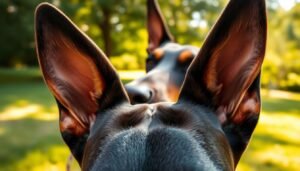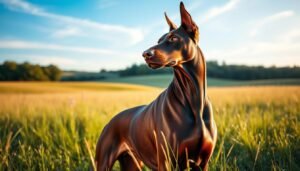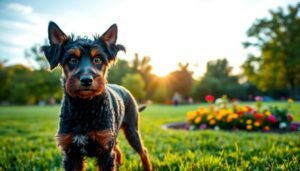

I’ve always been drawn to the Doberman breed for its sleek look and loyalty. Their ear type is unique, with some owners choosing the natural, uncropped look. Did you know that a Doberman’s ears greatly affect their appearance and need special care? Keeping their ears uncropped impacts their looks, health, and happiness.
Choosing the natural look for your Doberman’s ears means no surgery and its risks. For more on the differences between cropped and uncropped Doberman ears, check out the various factors to consider.
Key Takeaways
- Uncropped ears preserve the breed’s natural appearance.
- No surgery or recovery time is needed for uncropped ears.
- Regular cleaning is necessary to prevent infections.
- The natural look is perceived as more humane by some owners.
- Ear care is crucial to prevent dirt and debris buildup.
Understanding the Doberman Breed
The Doberman Pinscher is a well-known dog breed with an interesting history. It was created in the late 19th century by Friedrich Louis Dobermann. He made it as a guard dog and a loyal companion. The Doberman Pinscher’s history shows its smartness and adaptability.
History of the Doberman Pinscher
The Doberman was made by mixing different breeds. These included the German Pinscher, Black and Tan Terrier, and Rottweiler. The goal was to create a dog that was both strong and smart.
Early on, Dobermans were used as guard dogs and police dogs. They were great at these jobs because of their bravery, strength, and ability to learn. Today, they are loved as family pets for their loyalty and affection.
Personality Traits of Dobermans
Doberman Pinschers are known for being intelligent, loyal, and athletic. They are easy to train, which helps them do well in dog shows. They are also very protective of their families.
- Loyal and protective: Dobermans bond strongly with their families.
- Intelligent and trainable: They learn commands and training easily.
- Athletic and agile: Dobermans need lots of exercise to stay healthy.
As
“The ideal Doberman is a perfect blend of elegance, strength, and agility, coupled with a gentle and loving temperament.”
, this quote captures the Doberman’s true nature.
Importance of Responsible Ownership
Having a Doberman Pinscher is a big responsibility. Responsible ownership means giving your Doberman the care, training, and attention it needs. This ensures your Doberman is happy and healthy.
- Give them regular exercise and mental challenges.
- Put time into training and socializing them.
- Make sure they get vet check-ups and eat well.
Knowing what Dobermans need helps owners create a good home for them. This improves the dog’s life and strengthens the bond between dog and owner.
What Does “Uncropped” Mean?
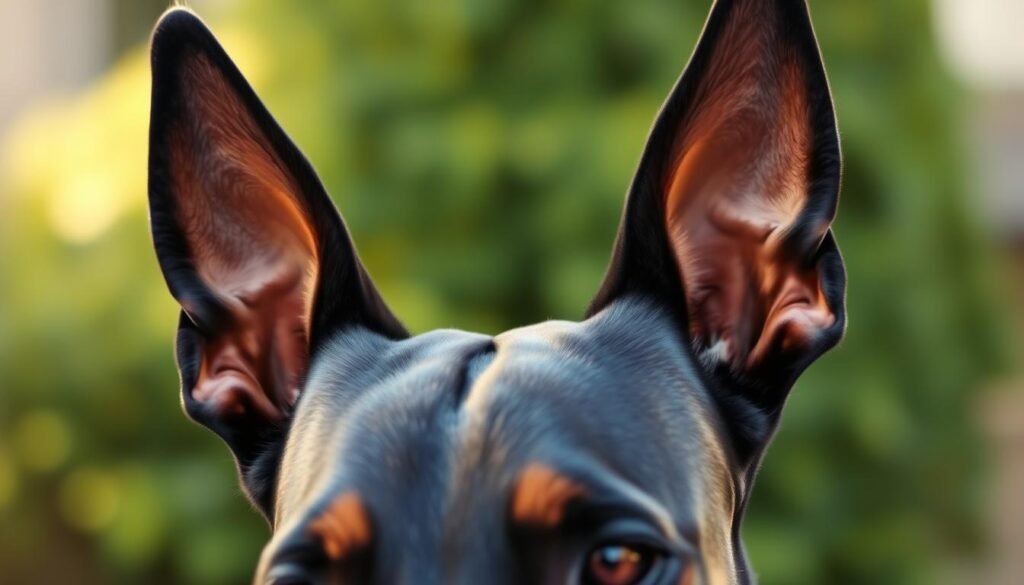
If you’re new to dog talk, “uncropped” means a Doberman’s ears are left as they are. This means no surgery to make their ears stand up. This was once common in some breeds, like Dobermans.
Definition of Uncropped Ears
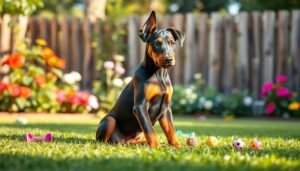
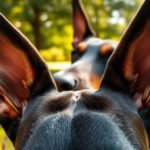
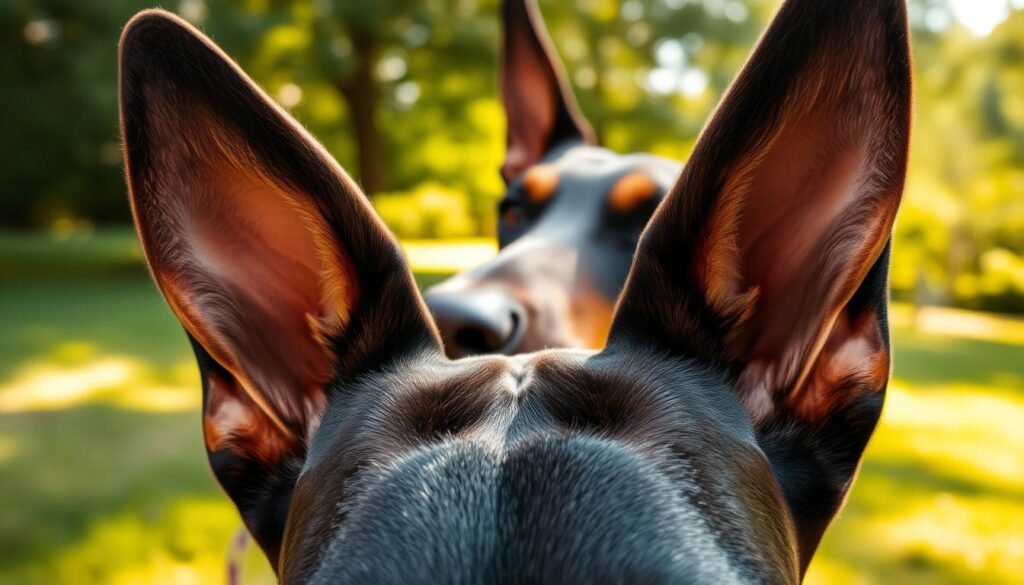
Uncropped ears are the natural shape of a Doberman’s ears. They are floppy and fold forward. This gives the dog a unique look.
The natural state of a Doberman’s ears is key to its health and happiness. Keeping the ears uncropped avoids surgery risks.
Natural vs. Cropped Ears
Choosing between natural or cropped ears for a Doberman depends on looks and health. It also depends on the dog’s behavior.
Here’s a comparison of the two:
| Characteristics | Uncropped Ears | Cropped Ears |
|---|---|---|
| Appearance | Floppy, natural shape | Erect, surgically altered |
| Health Risks | Lower risk of surgical complications | Risk of infection, pain, and long-term health issues |
| Maintenance | Regular cleaning and checking | Special care post-surgery, regular checking |
The table shows the pros and cons of each ear type.
“The natural beauty of an uncropped Doberman is undeniable, with their ears being a distinctive feature that sets them apart.”
The Aesthetics of an Uncropped Doberman
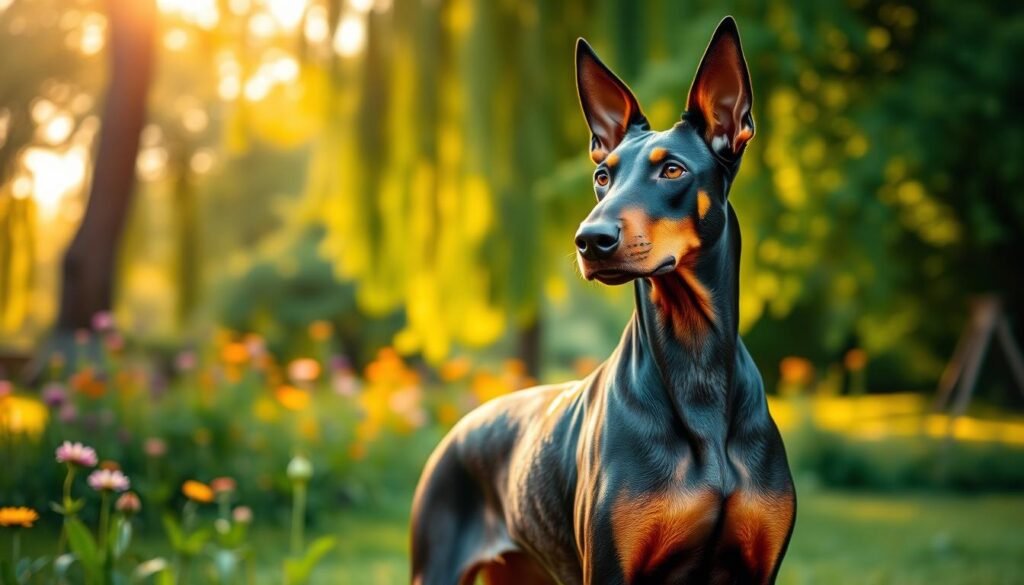
Uncropped Dobermans have a special look that comes from their breed history. Their appearance is more than just physical. It also shows how they make people feel.
Unique Appearance and Features
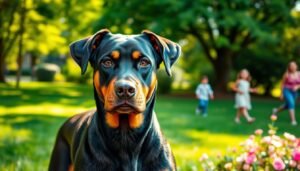
The uncropped Doberman has a strong and athletic body. Their natural ears, when fully grown, add to their noble look. They have a sleek coat in colors like black, red, blue, and fawn.
The natural ears of an uncropped Doberman are not just a feature. They help show emotions like alertness and affection. This makes them more relatable and lovable to their owners.
How Ears Affect Perception
The ears of a Doberman change how people see them. Uncropped Dobermans seem more expressive and emotionally open. This can influence who chooses to own one, with some liking the natural look better.
| Feature | Uncropped Doberman | Cropped Doberman |
|---|---|---|
| Ears | Natural, expressive | Cropped, less expressive |
| Appearance | More traditional, breed-specific | More uniform, less natural |
| Perception | Often seen as more emotional and relatable | Perceived as more aggressive or intimidating |
In conclusion, the beauty of an uncropped Doberman goes beyond looks. It includes their emotional and psychological impact. Their natural ears are key in shaping how people see them and connect with them.
Benefits of Keeping Ears Natural
Choosing not to crop your Doberman’s ears is more than just a style choice. It’s also good for their health and behavior. This decision can greatly improve their overall wellbeing.
Health Benefits of Uncropped Ears
One big health plus of uncropped ears is avoiding the risks of ear cropping surgery. Ear cropping can cause infections, pain, and long-term health problems. Skipping this surgery means you’re lowering the chance of these issues.
Uncropped ears also tend to have fewer health problems. They let air in and help clean the ear naturally. But, you still need to clean them regularly to stop wax buildup and infections.
| Health Benefit | Description |
|---|---|
| Reduced Risk of Surgical Complications | Avoiding ear cropping surgery minimizes the risk of infection, pain, and other surgical complications. |
| Better Airflow | Uncropped ears allow for better airflow, which can help in naturally cleaning the ear canal. |
| Natural Ear Canal Cleaning | The natural structure of uncropped ears can aid in the self-cleaning process of the ear canal. |
Emotional and Behavioral Advantages
Keeping your Doberman’s ears natural also has emotional and behavioral pluses. Dogs with uncropped ears may show more natural behavior and emotional balance. They avoid the stress and trauma of ear cropping surgery.
The natural look of uncropped ears can also strengthen your bond with your Doberman. It lets them show their emotions more naturally through their face and ear positions.
Some owners say their Dobermans with natural ears are more loving and interactive. This might be because they’re less stressed and uncomfortable than those with cropped ears.
Common Misconceptions About Uncropped Dobermans
As a Doberman enthusiast, I’ve seen many myths about uncropped Dobermans. The debate on ear cropping has led to several misconceptions. We’ll look at these myths and separate them from the facts.
Myths Surrounding Ear Cropping
One common myth is that ear cropping is needed for a Doberman’s health. But, research proves this is not true. Ear cropping is a risky surgery with its own complications.
Another myth is that cropped ears make Dobermans look more intimidating. But, it’s really about personal taste. Many find uncropped Dobermans more natural and cute.
Facts and Reality
The facts about ear cropping are clear: it’s cosmetic with health risks. The American Veterinary Medical Association (AVMA) says ear cropping is not medically needed. Dog owners should think carefully about it.
If you’re thinking of an uncropped Doberman, know their ears need regular care. This includes cleaning and watching for infection signs. By knowing the facts and debunking myths, we can make better choices for our Doberman’s health.
In conclusion, while there are many misconceptions about uncropped Dobermans, the facts show they can be great pets with the right care. By educating ourselves and others, we can fight these myths and understand this breed better.
Doberman Care Essentials
To keep your Doberman healthy and happy, it’s key to know their specific care needs. This includes regular grooming, a balanced diet, and watching their health closely.
Grooming Needs for Uncropped Dobermans
Dobermans with uncropped ears need regular ear cleaning to avoid wax buildup and infections. Also, check their ears often for signs of redness or irritation.
Key Grooming Tasks:
- Regular ear cleaning
- Nail trimming every 4-6 weeks
- Brushing their coat weekly to reduce shedding
- Occasional bathing as needed
Nutritional Requirements
A balanced diet is vital for your Doberman’s health. They need a mix of proteins, fats, carbohydrates, vitamins, and minerals.
| Nutrient | Importance | Sources |
|---|---|---|
| Protein | Essential for muscle development | Chicken, Beef, Fish |
| Omega-3 Fatty Acids | Supports skin and coat health | Fish Oil, Flaxseed |
| Calcium | Crucial for bone health | Dairy Products, Dark Leafy Greens |
Feeding your Doberman high-quality dog food that meets their nutritional needs is vital. Consult with your veterinarian to find the best diet for your pet.
Training Tips for Dobermans
Training is key for a well-behaved Doberman. They are smart and love to please. Here, you’ll find tips on basic commands and how to socialize them.
Basic Commands and Obedience
Start with simple commands like “sit,” “stay,” and “come.” Use treats and praise to encourage good behavior. It’s important that everyone uses the same commands and rewards.
Here’s a basic training schedule:
| Command | Action | Reward |
|---|---|---|
| Sit | Hold a treat above their head | Treat and praise |
| Stay | Start by having them sit, then take a few steps back | Treat and praise for remaining in position |
| Come | Call their name and say “come” while running backward | Treat and affection |
Socialization Techniques
Socialization is vital for your Doberman’s growth. It helps them feel confident in new places and with new people. Start early and keep it up throughout their life.
Effective socialization includes:
- Taking your Doberman on regular walks in different neighborhoods
- Visiting dog parks to allow them to interact with other dogs
- Inviting friends over to meet your Doberman
- Enrolling them in obedience classes
By teaching basic commands and socializing well, you’ll raise a well-adjusted Doberman. Training takes patience, consistency, and positive reinforcement.
Health Considerations for Dobermans
As a Doberman owner, knowing about health issues is key. Dobermans are usually healthy, but they can face certain problems. It’s important to stay informed.
Regular Veterinary Check-ups
Regular vet visits are crucial for your Doberman’s health. These visits help catch problems early. This way, your pet gets the right treatment fast.
At these check-ups, your vet will do a full exam. They’ll look for signs of heart problems and hip issues. They might also suggest shots, parasite control, and special diets for your Doberman.
Common Health Issues in Dobermans
Dobermans can face health problems like heart issues and hip dysplasia. Knowing about these can help you watch your pet’s health better.
| Health Issue | Description | Prevention/ Management |
|---|---|---|
| Cardiomyopathy | A heart condition that can lead to heart failure | Regular heart checks, maintaining a healthy weight |
| Hip Dysplasia | A genetic condition affecting the hip joint | Responsible breeding practices, maintaining a healthy weight |
| Wobbler’s Syndrome | A condition affecting the neck and spine | Careful handling, avoiding excessive jumping |
By knowing about these health issues and working with your vet, you can help your Doberman live a long, happy life.
Exercise and Activity Needs
To keep your Doberman in top shape, it’s key to know their exercise needs. Dobermans are full of energy and need regular physical and mental play. A good exercise plan keeps them healthy and happy.
Daily Exercise Routines
Creating a daily exercise plan is vital for your Doberman’s health. Include brisk walks, jogging, and playtime in a safe area. Aim for 30 minutes of exercise daily, but adjust based on your dog’s age and energy.
For more exercise ideas, check out Doberman Planet for detailed advice.
Fun Activities for Your Doberman
Fun activities with your Doberman can strengthen your bond and keep them entertained. Try agility training, hide-and-seek, and fetch. These activities are great for both physical and mental health.
Varying activities is also good to prevent boredom. Try scent work or obstacle courses to challenge them.
Building a Strong Bond with Your Doberman
Building a strong bond with your Doberman is a journey that needs patience, understanding, and love. A strong bond is key to a healthy and happy relationship with your pet.
To build this bond, focus on positive reinforcement and understanding your Doberman’s behavior. These elements help create a deep connection with your pet.
Tips for Positive Reinforcement
Positive reinforcement is a powerful tool for bonding with your Doberman. It rewards good behavior, encouraging your pet to repeat it. Here are some tips to start:
- Use treats and praise to reward good behavior
- Be consistent in your rewards and commands
- Start with simple commands and gradually move to more complex ones
- Be patient and don’t rush the training process
Understanding Your Doberman’s Behavior
Understanding your Doberman’s behavior is key for a strong bond. Recognizing your pet’s emotional state and needs helps you respond better. This strengthens your relationship. Here are important aspects to consider:
- Pay attention to body language and vocal cues
- Recognize signs of stress or anxiety
- Understand the importance of socialization
- Be aware of your Doberman’s individual personality and needs
By following these tips and understanding your Doberman, you can build a strong, loving bond. Remember, building a bond is a two-way process that requires effort, patience, and love from both you and your pet.
Resources for Doberman Owners
Being a Doberman owner comes with its own set of challenges and joys. Having the right resources can make a big difference. Whether you need help with training, health, or just want to connect with other owners, there are many resources out there to support you.
Recommended Literature
Looking to learn more about dog training? Books like “The Power of Positive Dog Training” by Pat Miller and “Don’t Shoot the Dog!” by Karen Pryor are great. They offer insights into effective training methods and positive reinforcement techniques.
Connecting with the Community
Online communities, like the Doberman Forum or Doberman-specific Facebook groups, are great places to connect. Owners can share experiences, ask questions, and connect with others who love Dobermans. Joining these communities can help you learn from others and build a supportive network.