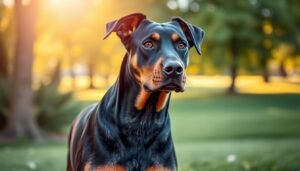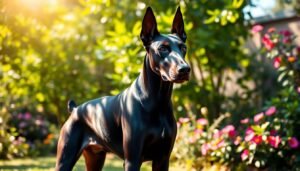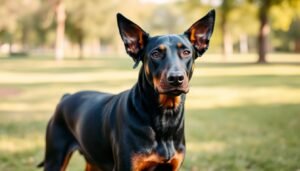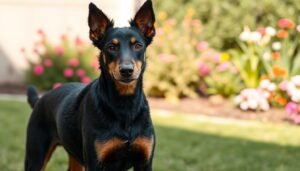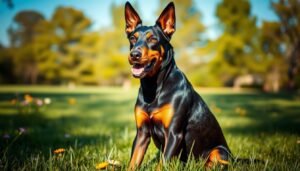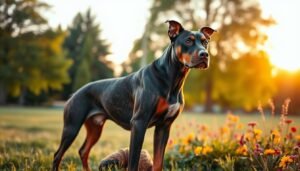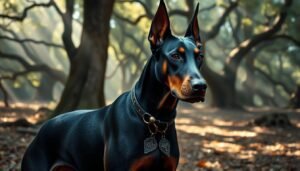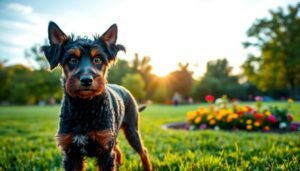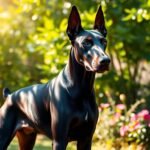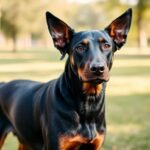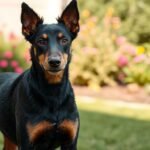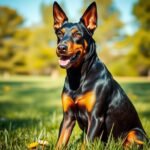

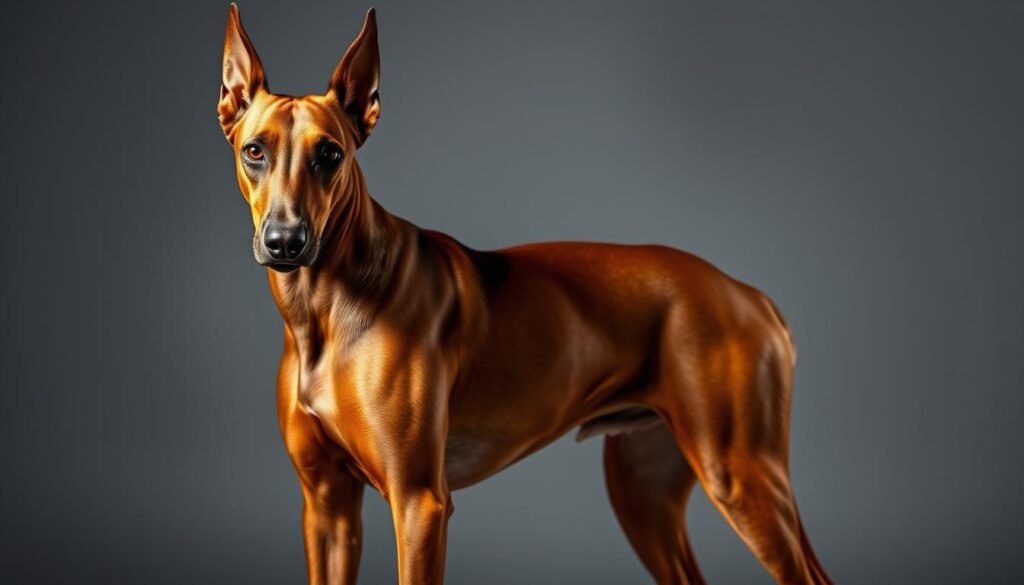
I love dogs, and the Fawn Doberman Pinscher really stands out. It’s known for its beautiful looks and loyal heart. This breed has a strong body and a unique coat that many people adore. But did you know they’re also gentle and loving?
I’m excited to learn more about this special breed. We’ll look into its history, what it looks like, and why it’s such a great pet. The Fawn Doberman Pinscher is known for its loyalty and love for its family. That’s why so many people choose to have one.
Key Takeaways
- The Fawn Doberman Pinscher is a loyal and loving breed.
- This breed is known for its muscular build and distinctive fawn coat.
- Fawn Doberman Pinschers are gentle and make great companions.
- They are highly intelligent and respond well to training.
- Their loyal nature makes them a popular choice among dog owners.
What is a Fawn Doberman Pinscher?
The Fawn Doberman Pinscher is a breed that catches the eye. It’s a variation of the Doberman Pinscher, known for being smart, athletic, and loyal.
Overview of the Breed
The Doberman Pinscher is known for its strong build and quick movements. It was first used as a guard dog. Now, it’s a versatile pet, loved for its smarts and trainability.
Key characteristics of the Doberman Pinscher breed include:
- High intelligence
- Loyal nature
- Athletic ability
- Protective instincts
Distinctive Coloration
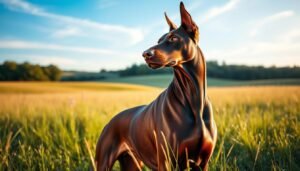
The Fawn Doberman Pinscher stands out because of its coat color. It can be light tan to darker fawn. This color comes from how the dog’s genes affect melanin.
The fawn color can look different, but it’s always warm and rich. Knowing about the genetics behind this color helps us see the breed’s variety.
Some key points about the fawn coloration include:
- Genetic variation influences the fawn color.
- The color can range from light tan to dark fawn.
- The fawn coat is a result of reduced melanin production.
History of the Doberman Pinscher
Friedrich Louis Dobermann, a German tax collector, started the Doberman Pinscher breed in the late 1800s. He wanted a dog that was loyal, protective, smart, and athletic. Dobermann mixed different breeds to create a dog known for guarding and being a great companion.
Origins and Development
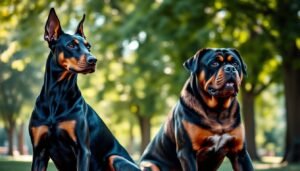
The Doberman Pinscher was made in the late 1800s, mainly in Germany. Dobermann mixed breeds like the Rottweiler, German Pinscher, and Weimaraner. He aimed for a dog that looked tough but was also loving.
This breed became popular fast. It was great as a guard dog, police dog, and family pet. Its smarts, loyalty, and strength made it perfect for many roles.
The Influence of Breeders
Breeders were key in shaping the Doberman Pinscher. After Dobermann, other breeders worked to improve the breed. They aimed to keep its loyalty and protectiveness but reduce its aggression.
Breeders helped set the breed’s standards. They made sure the Doberman Pinscher stayed healthy and strong. Their work helped the breed become loved worldwide as a loyal companion and guard dog.
Characteristics of the Fawn Doberman
The Fawn Doberman Pinscher is known for its strong build and agility. It’s not just a pretty face; it also has a unique personality. This makes it a great companion.
Size and Physical Traits
Fawn Doberman Pinschers are big and strong. Males and females are usually 24 to 28 inches tall. They weigh between 60 to 80 pounds.
| Height (inches) | Weight (pounds) | Build |
|---|---|---|
| 24-28 | 60-80 | Muscular, Athletic |
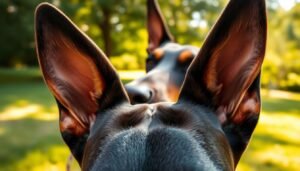
They have a short and smooth coat that needs little grooming. Their fawn color can range from light tan to darker red. They also have a wedge-shaped head, almond-shaped eyes, and erect ears. These features add to their alert and noble look.
Temperament and Personality
Fawn Doberman Pinschers are known for their loyalty and intelligence. They are easy to train and make great guard dogs. But, with the right training, they are also gentle and loving family pets.
They have a strong instinct to protect and serve. This makes them naturally inclined to defend their family. Yet, they are also very affectionate and loving towards their owners. They form strong bonds with their families.
Health Considerations for Fawn Dobermans
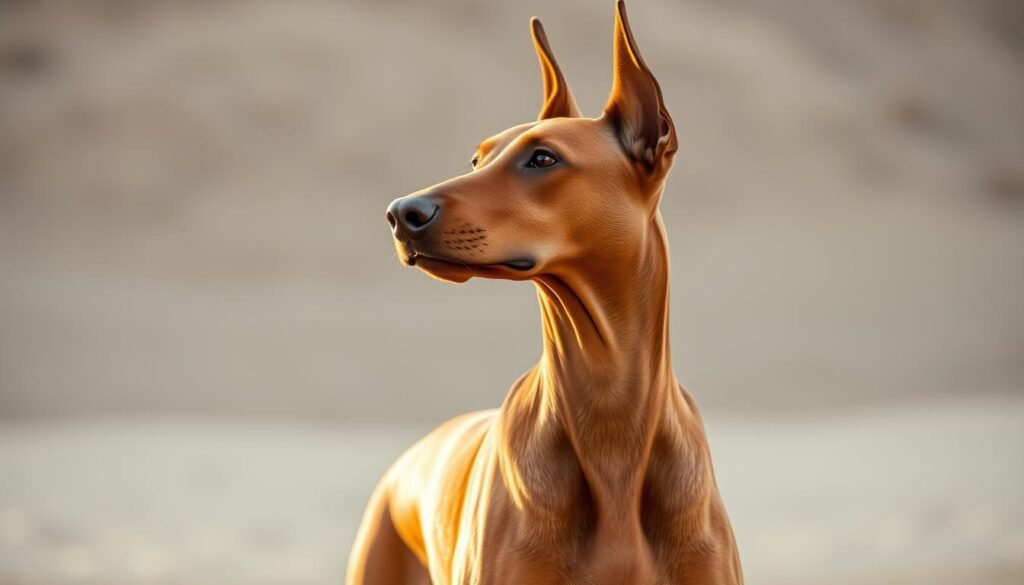
As a responsible dog owner, it’s crucial to understand the health considerations for Fawn Doberman Pinschers. This ensures they lead a long and healthy life. Like all breeds, Fawn Dobermans face certain health issues that can affect their quality of life.
Common Health Issues
Fawn Doberman Pinschers are prone to health problems like cardiomyopathy, hip dysplasia, and eye issues. Cardiomyopathy affects the heart muscle and can lead to heart failure if not managed. Hip dysplasia causes the hip joint to malform, leading to arthritis and mobility issues. Regular monitoring and early detection are crucial for managing these conditions.
They may also face other health concerns such as Wobbler’s syndrome and bloat. Wobbler’s syndrome affects the neck and spine, causing pain and mobility issues. Bloat is a life-threatening condition that requires immediate veterinary attention.
Importance of Regular Vet Check-ups
Regular veterinary check-ups are vital for your Fawn Doberman Pinscher’s health. These visits help your vet monitor your dog’s health and detect issues early. Your vet will perform a physical examination, check for signs of illness or disease, and administer vaccinations as needed.
By working closely with your veterinarian and staying informed about your Fawn Doberman’s health, you can ensure they receive the best care. This proactive approach to health care can significantly improve your dog’s quality of life and longevity.
Training and Socialization Tips
To help your Fawn Doberman Pinscher grow into a confident and calm dog, training and socialization are key. This breed is smart and responds well to positive training methods.
Basic Commands and Obedience
Teaching basic commands like “sit,” “stay,” and “come” is essential. Training a Doberman Pinscher needs consistency and positive feedback. Start with short sessions and increase time as your dog gets better.
Here is a simple training schedule you can follow:
| Command | Training Time | Reward |
|---|---|---|
| Sit | 5 minutes | Treats |
| Stay | 10 minutes | Praise |
| Come | 5 minutes | Playtime |
Socialization Strategies
Socialization is key for Fawn Doberman Pinschers to feel comfortable around people and animals. Early exposure to different places and situations helps them stay calm.
- Introduce your dog to new people and places gradually.
- Use positive reinforcement during social interactions.
- Ensure interactions are controlled and safe for your dog.
By following these training and socialization tips, you can help your Fawn Doberman Pinscher become a well-behaved and loyal companion.
Grooming a Fawn Doberman Pinscher
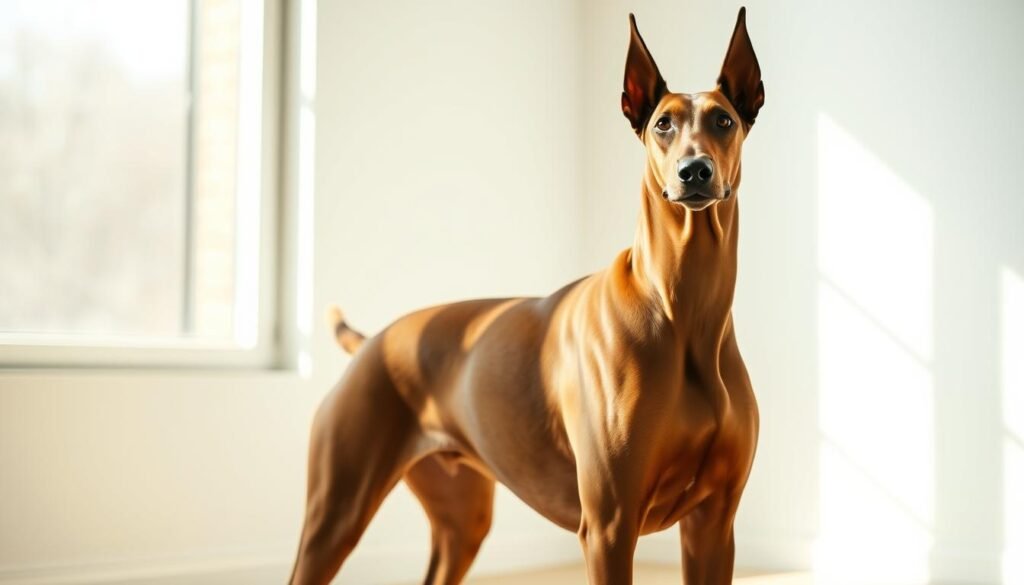
Keeping up with grooming is key for a Fawn Doberman Pinscher’s health and cleanliness. Their short, smooth coat needs regular care to avoid skin problems and keep them looking great.
Coat Care Basics
The Fawn Doberman Pinscher’s coat is truly unique. To keep it in top shape, regular brushing is a must. A rubber grooming mitt or a soft-bristle brush can help remove dead hair and spread skin oils, making the coat shine.
It’s also important to bathe them now and then, but don’t overdo it. Too much bathing can take away the coat’s natural oils. Use a mild dog shampoo made for short-coated breeds.
| Grooming Activity | Frequency | Benefits |
|---|---|---|
| Brushing | Weekly | Removes dead hair, distributes skin oils |
| Bathing | Every 2-3 months | Keeps coat clean, prevents skin issues |
Nail Clipping and Ear Cleaning
Nail clipping and ear cleaning are also vital. Long nails can be painful and lead to health problems. It’s best to clip your Fawn Doberman Pinscher’s nails every 4-6 weeks.
Ear cleaning is also key to stop wax buildup and infections. Use a dog ear cleaner and cotton balls to clean the outer ear canal. Don’t put anything into the ear canal to avoid harm.
By adding these grooming steps to your routine, your Fawn Doberman Pinscher will stay healthy, happy, and well-groomed.
Living with a Fawn Doberman
Living with a Fawn Doberman Pinscher is a joy. But, it requires a commitment to the right environment and care. They are an active breed, needing a place that matches their energy.
Ideal Home Environment
A Fawn Doberman Pinscher loves a home with a securely fenced yard. This allows them to run and play freely. They are not good for apartment living unless you’re ready for lots of exercise. A house with a yard is the best place for them.
Exercise and Activity Needs
Fawn Doberman Pinschers are active dogs that need regular exercise. They should have daily walks, playtime, and mental stimulation. This keeps them happy and healthy. Activities like agility training or obedience exercises are great for them.
Key Exercise Needs:
- Daily walks of at least 30 minutes
- Playtime in a securely fenced area
- Mental stimulation through training or puzzle toys
By understanding and meeting these needs, you can create a happy and healthy home for your Fawn Doberman Pinscher.
Nutritional Needs of Fawn Dobermans
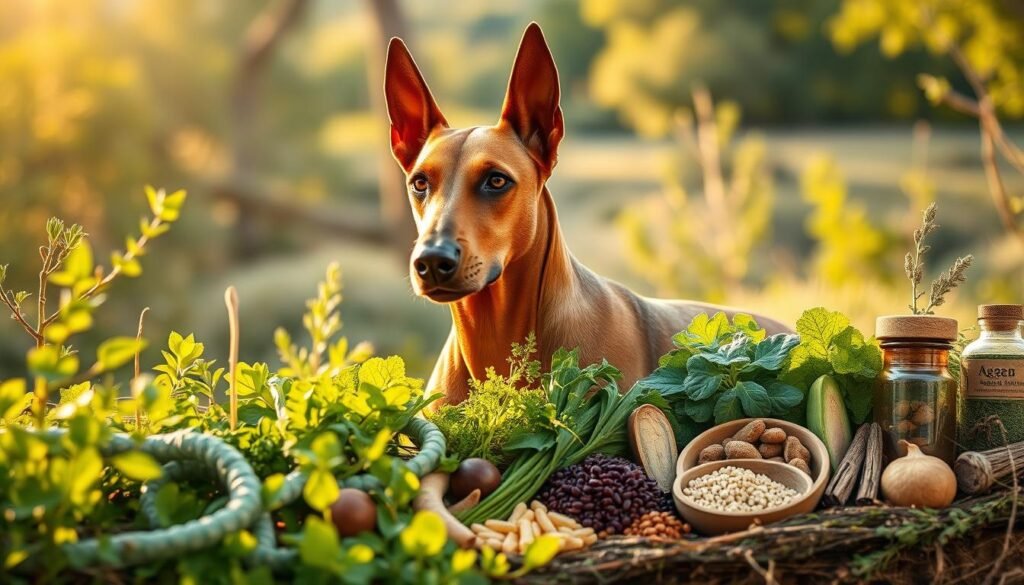
Knowing what your Fawn Doberman Pinscher needs to eat is key to their health. A good diet helps them stay active and happy.
Recommended Diet Types
Feeding your Fawn Doberman the right food is important. They need a diet high in protein and moderate in fat. This helps keep them full of energy and healthy.
- High-quality commercial dog food made for large breeds.
- Food rich in protein from sources like chicken, beef, or fish.
- Carbohydrates like brown rice or sweet potatoes are good too.
Remember, your Fawn Doberman’s age affects their diet needs. Puppies, for example, need more protein and calories to grow.
Importance of Portion Control
It’s crucial to watch how much your Fawn Doberman eats. Too much food can cause obesity, leading to heart and joint problems.
- Stick to the food guidelines from the manufacturer.
- Adjust the amount based on your dog’s activity and age.
- Check their weight and body condition often.
By controlling food portions and giving a balanced diet, you can keep your Fawn Doberman healthy and happy for years.
The Fawn Color Gene Explained
The fawn color in Doberman Pinschers comes from a mix of genes. This color is due to how genes affect melanin production. Knowing about these genetics helps us appreciate the breed’s variety.
Understanding the Color Variation
The fawn color in Dobermans is a lightened version of the red pigment. A specific gene causes this lightening. This results in a beautiful, light tan coat that’s typical of fawn Dobermans.
Dr. Sheila M. Schmutz, a canine genetics expert, says, “The genetics of coat color in dogs is complex. It involves many genes working together to create the final color.” This is true for fawn Dobermans, where different genes mix to create their coat color.
“The genetics of coat color in dogs is complex, involving multiple genes that interact to produce the final color.” – Dr. Sheila M. Schmutz
Genetic Factors Influencing Color
Several genes play a role in the fawn color of Dobermans. The main one is the dilution gene. It changes how eumelanin and pheomelanin are made. Eumelanin creates black and dark brown colors, while pheomelanin makes red and yellow.
| Gene | Effect on Coat Color |
|---|---|
| Dilution Gene | Lightens red or black coat to fawn |
| Eumelanin | Produces black and dark brown pigmentation |
| Pheomelanin | Produces red and yellow pigmentation |
Knowing about these genes helps breeders guess the coat colors of their Doberman puppies. It’s a blend of genetics and breed traits that’s really interesting.
Fawn Dobermans and Families
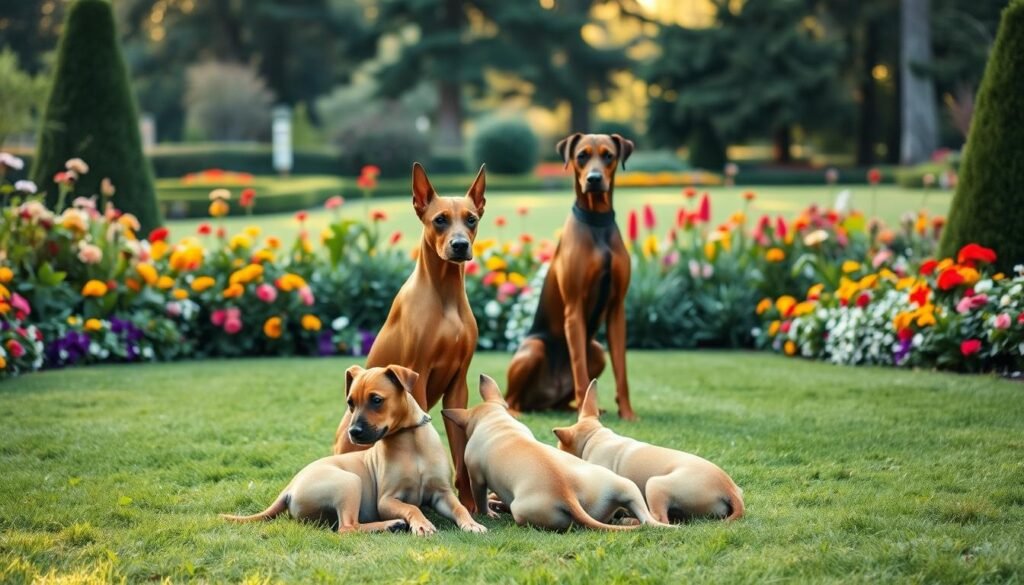
The Fawn Doberman Pinscher is a beautiful and loving addition to many families. They are loyal and smart, making them perfect for those who are patient and willing to train them.
Compatibility with Children
Fawn Doberman Pinschers are often gentle and loving with children, if they are socialized early. It’s important to watch them closely when they’re together to keep everyone safe.
Tips for Introducing a Fawn Doberman to Children:
- Start with slow introductions to allow both the dog and children to become comfortable with each other.
- Teach children how to interact with the dog gently and respectfully.
- Supervise interactions closely, specially in the early stages.
Interactions with Other Pets
Fawn Dobermans can get along well with other pets if they are socialized properly. Early socialization is key to ensuring they are comfortable and calm around other animals.
Considerations for Introducing a Fawn Doberman to Other Pets:
- Begin with neutral territory to avoid territorial behaviors.
- Monitor body language closely for signs of stress or aggression.
- Reward calm behavior with treats and praise.
For more information on the different types and colors of Doberman Pinschers, including the Fawn Doberman, visit Doberman Planet.
| Aspect | Consideration | Tips |
|---|---|---|
| Children | Supervise interactions | Teach gentle interaction |
| Other Pets | Socialization is key | Introduce in neutral territory |
| Training | Invest in obedience training | Be consistent and patient |
Choosing a Fawn Doberman Puppy
Deciding to get a Fawn Doberman Pinscher puppy is a big step. It’s important to find a good breeder first. This ensures your new pet is healthy and fits your lifestyle.
Finding Reputable Breeders
Looking for a reputable breeder takes time and effort. Start by checking if they’re registered with Doberman clubs. These clubs have breeder lists and rules for good breeding.
Ask friends, family, or vets for breeder recommendations. Going to dog shows or breed events can also help you meet breeders and see their dogs.
Key characteristics of reputable breeders include:
- They’re open about their dogs’ health and personality.
- They show health clearances for the parents.
- Their place is clean and safe for dogs.
- They socialize puppies well.
- They have a contract with spay/neuter rules and guarantees.
Questions to Ask a Breeder
After finding breeders, ask them important questions. Knowing about the parents’ health, personality, and background helps understand your puppy.
Some key questions are:
- Do they have health clearances for the parents?
- How do they socialize the puppies?
- What’s the parents’ temperament like?
- Can I meet the parents?
- What kind of guarantee or contract do they offer?
For more tips on picking the best Doberman puppy, check out this resource.
Choosing a good breeder and asking the right questions boosts your chances of getting a healthy, friendly Fawn Doberman Pinscher puppy.
Adoption Considerations for Fawn Dobermans
Adopting a Fawn Doberman Pinscher can change your life. It gives a loving home to a dog in need. Many rescue groups and shelters have Doberman Pinschers, including Fawn Dobermans, waiting for a home.
Rewards of Adoption
Adopting a Fawn Doberman means gaining a loyal friend. It also frees up space in shelters for other dogs. The adoption benefits are many, making it a wonderful way to help a dog in need.
Finding Adoptable Fawn Dobermans
If you want to adopt a Fawn Doberman Pinscher, start by looking into local rescue groups and shelters. They often have many breeds, including Doberman Pinschers, ready for adoption. You can also check out websites like Dogington Post for more information on adopting a Doberman Pinscher.